DISCLAIMER: This is not investment advice. PLEASE DO YOUR OWN RESEARCH !!!!
Background/Follow up:
When I wrote the initial post about CEWE a few days ago, I didn’t know that CEWE actually held a Capital Markets Day for selected investors on the very same day that I was publishing my post. They didn’t disclose it on their Website or IR calendar either.
On the capital markets day they presented more background on the Kodak acquisition. In a nutshell, I can now better understand the rationale and see it as less opportunistic but more strategic than without that information.
I think there are clearly some risks with the Kodak Moments acquisition, but on the other hand, there seems to be also a plausible path for some extra growth on top of the rather slow growth in the past few years.
Here are a few interesting snippets:
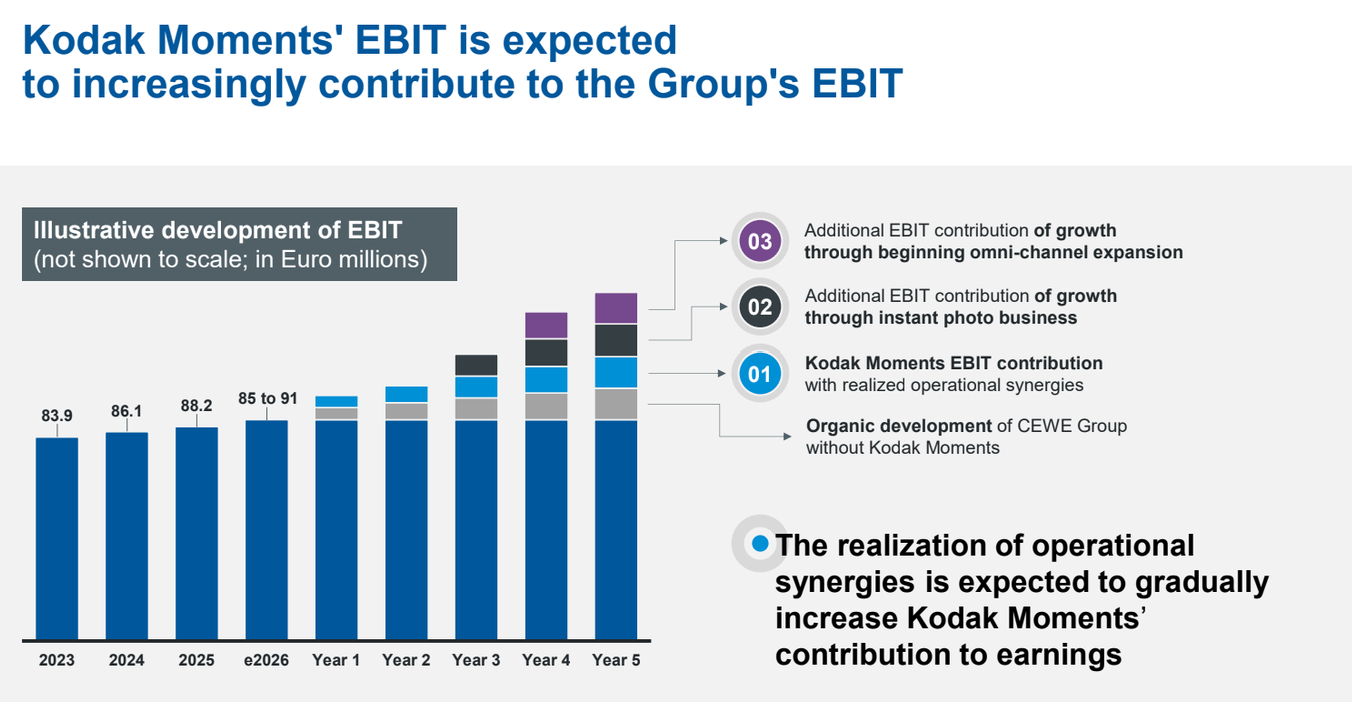
Although there are no actual numbers, they project EBIT growth that in the first 2 years is double the organic run rate and up to almost 3x in year 5. As organic growth in the last years was more like 3-4%, this implies growth rates of 6-10% for the next 5 years which would of course be really great.
If growth would actually accelerate like this, then there is also a decent chance that the stock might get back to historical valuation ranges. So in the upside case, there is potentially much more upside than I thought initially.
One detail they seem to have mentioned only verbally is that Kodak Moments currently only charges around 50% per printed picture than CEWE. It seems that Kodak’s quality is also lower, but this is clearly a relatively simple lever for CEWE to increase prices (and quality) up to CEWE’s levels.
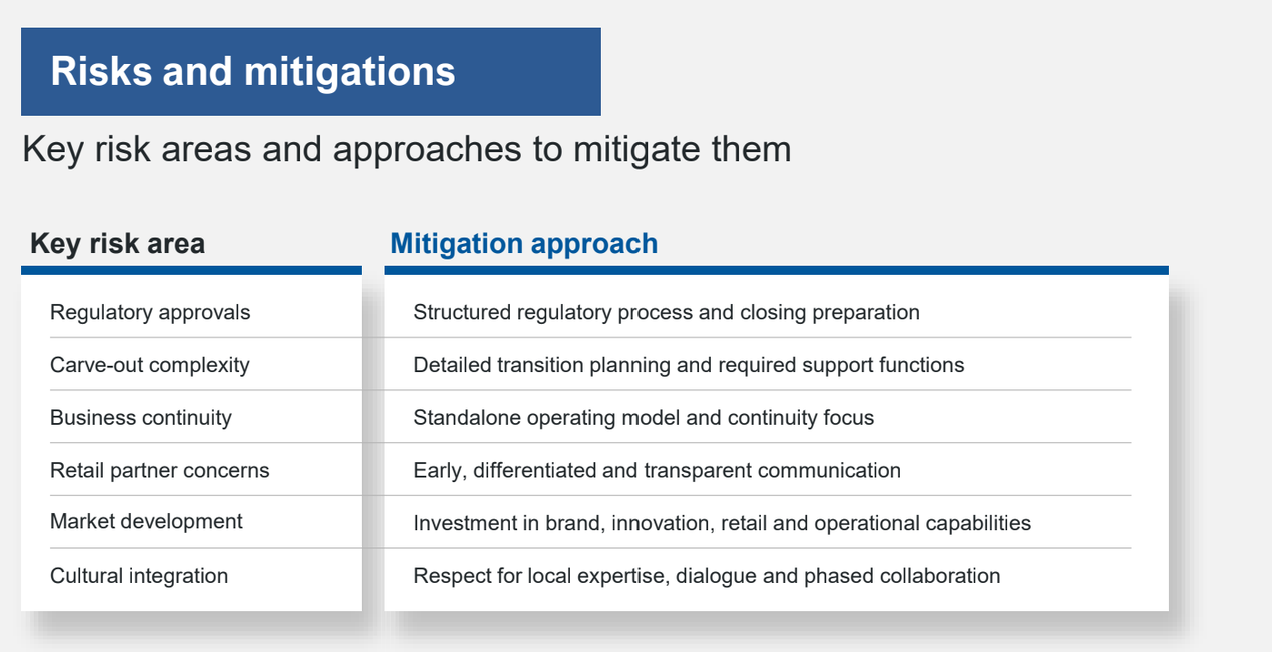
They also point toward some risk, where the regulatory approvals might be the most relevant ones:
From previous reports one can estimate that ~40% of Kodak Moment’s business is actually from Germany.
The attractiveness of the instant photo kiosk business
Another aspect that seems to have been mentioned in the call is that the “instant photo” business as such has been growing nicely within CEWE already. I always thought that only the online photo books were the growth driver, but with this information, the acquisition could make even more sense.
I did a little background research on these photo kiosks and it seems that they fulfil quite an interesting niche for customers. We shoot more and more digital pictures and it seems that from time to time, people have the urge to print out pictures rather today or tomorrow than to wait 4-5 days and uploading them online.
Modern Photo kiosks often offer additional formats like larger prints or even more sophisticated Greeting card or invitation card formats.
On my past visits to a dm or Rossmann, I always checked on the photo kiosks and I was surprised how busy they are at any time of the day. Interestingly, I have seen branches where CEWE stations were next to Kodak stations in the same store.
From the perspective of the drugstores, these photo kiosks seem to be helping to draw customers into the store who might then also purchase something else. So these photo kiosks seem to look like a win-win. It would be interesting to know how the revenue sharing looks between Rewe/Kodak and the drugstores.
Some other aspects of CEWE
Governance/Incentivation
As a KGaA, the Governance is different to a normal “AG”. Effectively, common shareholders have no say who runs the company, this is solely determined by the “Komplementär”, in this case the foundation of the family that owns around 30% of the shares.
Therefore it is important to understand how Management is incentivized. In CEWE’s case, the variable component of the Management’s salary is relatively small and almost exclusively tied to EBT development. So no per share or Return on Capital measures.
There is a share option program but the amounts are rather insignificant.
From that perspective, incentives are not optimal. Interestingly, they still buy back some shares and report ROCE, but the variable component of the Board’s compensation really only depends on absolute EBT.
Share price momentum
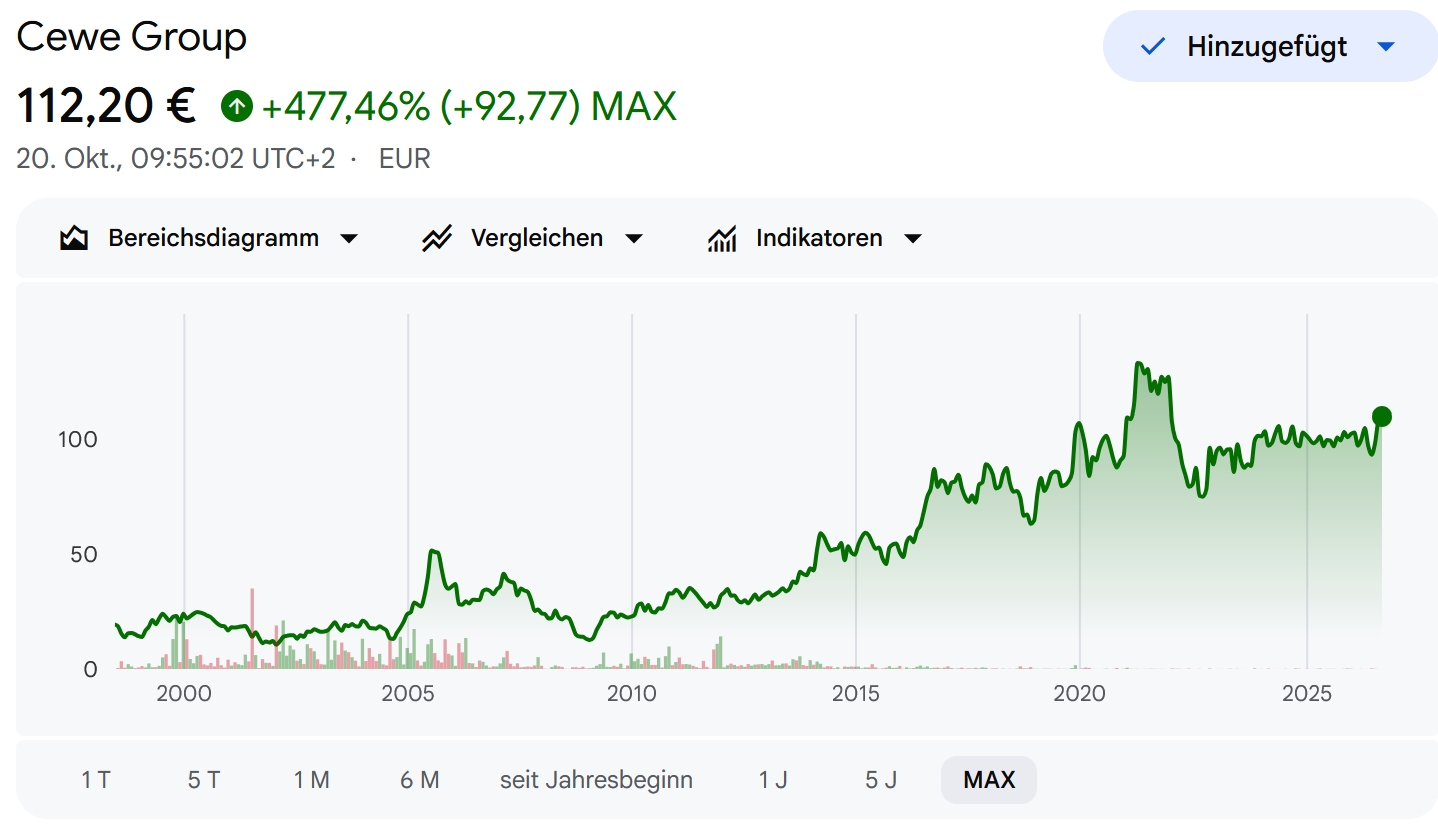
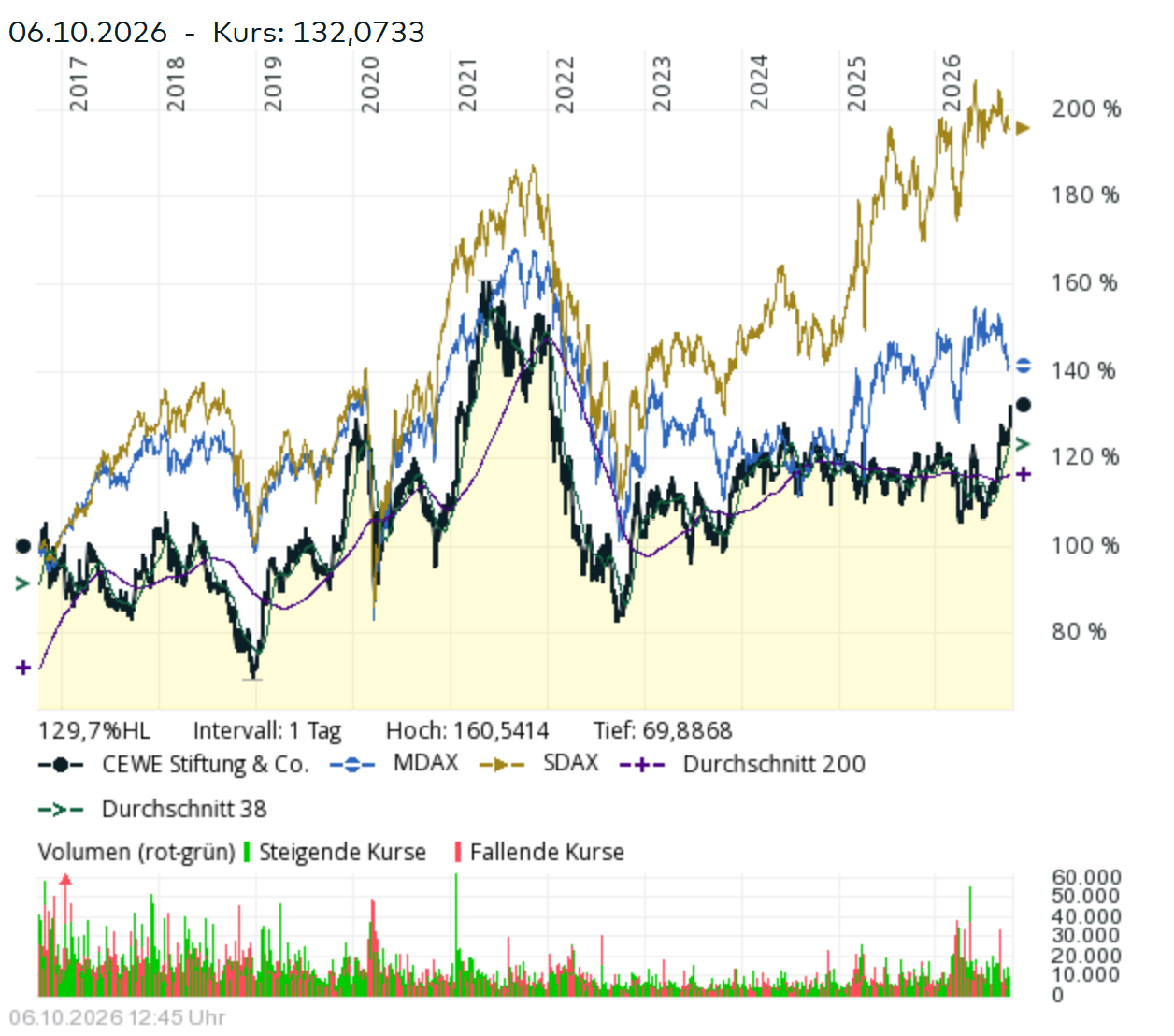
Although it is not a criteria per se, the stock has positive Momentum. Looking at the long term chart, we can see that it is still below the ATH from COVID, bt it has been breaking out a little from a trading range recently:
In my screening model, the overall score at the moment is quite good, putting CEWE fromly into the top 10 of stocks that I monitor.
Summary & conclusion
Following the CMD material, I have become more optimistic about a potential longer lasting growth runway following the Kodak Moments Acquisition.
As mentioned above, I now better understand the motives and think that there is a potential for some additional growth if they execute that acquisition well.
I therefore decided to allocate 3% of the portfolio into CEWE at the current price of ~112 EUR per share. My expected investment return for this will be somewhere between 40-50% including the dividend yield, buybacks and maybe a little valuation uplift over the next 2-3 years. This is clearly not exceptionally high, but I think the downside is also relatively well protected at less than 9x EV/EBIT.
Due to the Governance topic (KGaA) and suboptimal Management incentives, I will most likely not increase the position much above the current level. For a full position, I would need better scores on that aspect.
The next milestones will be as every year, the result of the all important Q4 and then in 2027 the successful closing of the Kodak moments transaction.
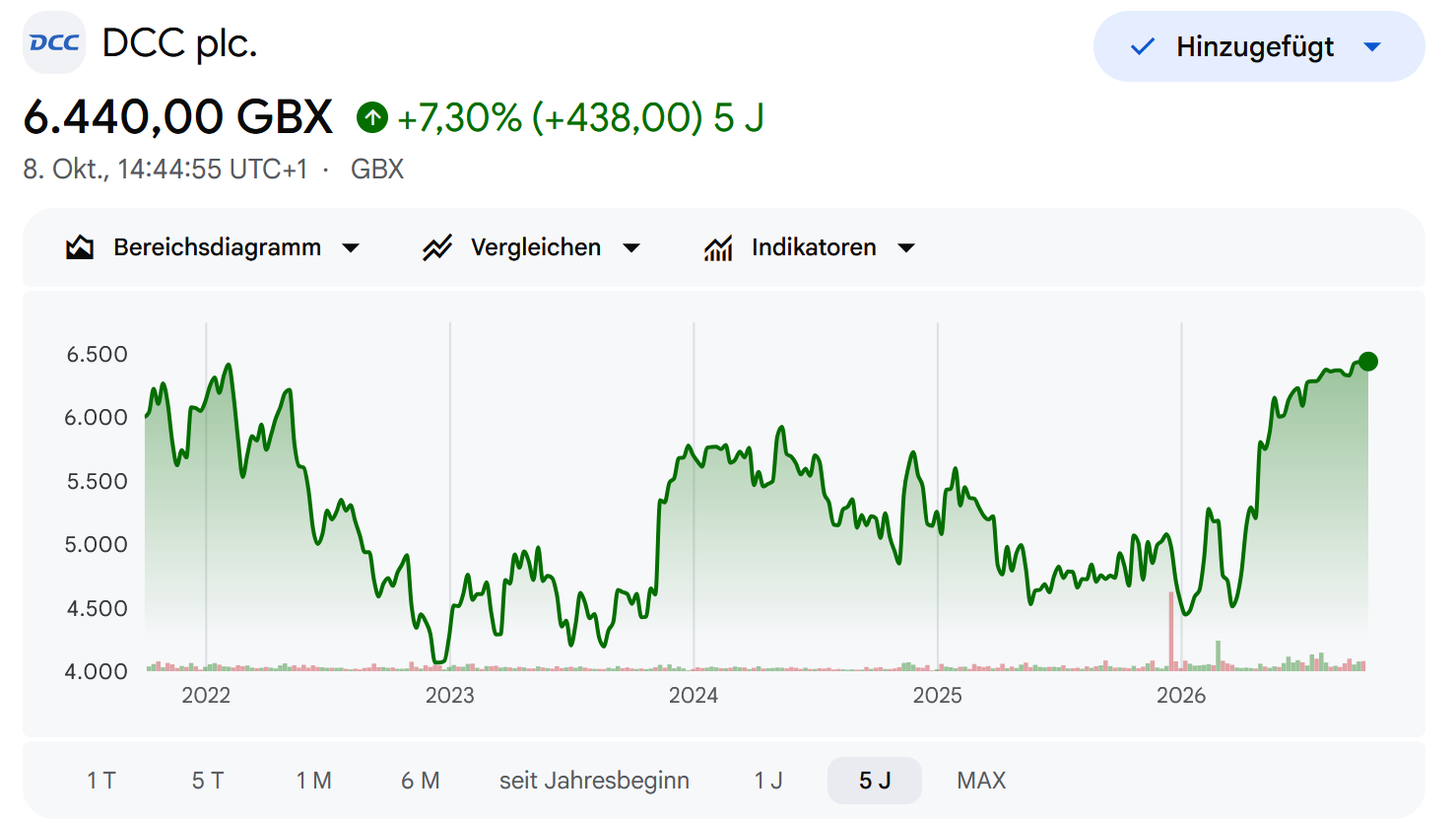
Let’s start with the positive case. I realized my DCC position recently as the share price (~64,4 GBP) approached the bid value (66,72 GBP) and the remaining upside was not so attractive anymore, especially considering potential GBP volatility for me as a EUR investor.
However, and this is a big HOWEVER, this positive result was not driven by the business case that I had underwritten, but purely a function of the premium paid by the acquirer KKR.
Looking at the earnings history, we can see that DCC’s earnings didn’t improve at all since my purchase in late 2022:
DCC rather had to go through a painful restructuring because they found out that everything they acquired outside their core business Energy was rather not good.
To be honest, I didn’t see this when I invested back then. I rather thought that having 3 different “platforms” gives them a lot of flexibility to allocate capital.
Looking at the stock chart we can see that my entry timing was quite lucky, but then not much happened until very recently:
So the positive outcome of this investment was much more luck than my ability to pick an undervalued company with a great past that performed well.
I think this is/was maybe a major weakness of my investment approach: Just assuming that a successful past is a good indicator for an equally successful future, depsite some temporary headwinds. This can work, but it clearly doesn’t have to work.
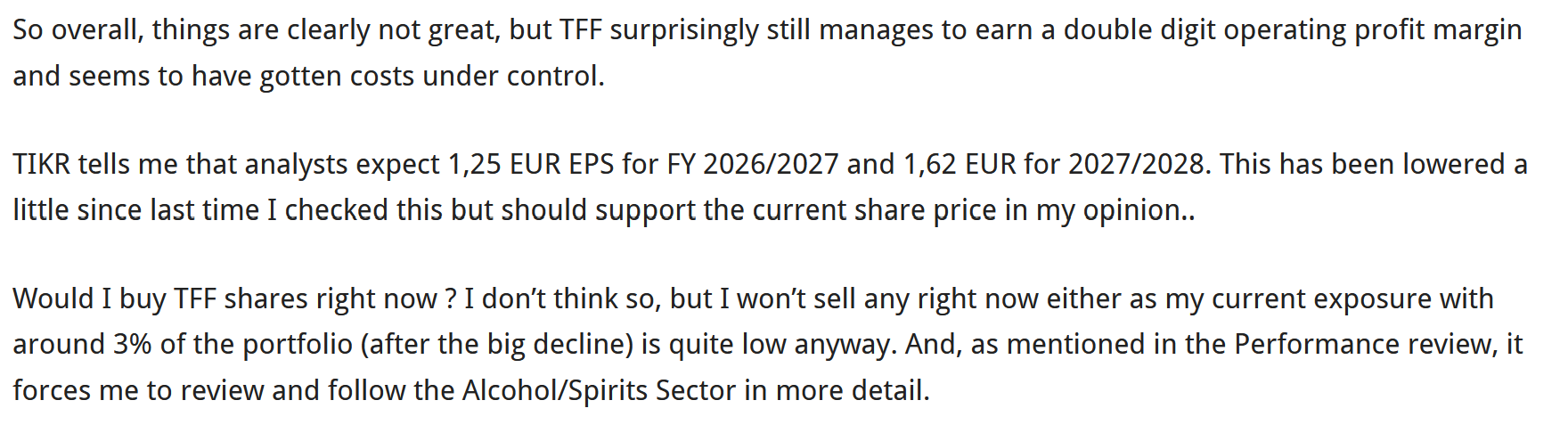
Funnily enough, I funded part of my DCC position as mentioned above with a partial sale of TFF, which back then was my largest position. I just checked my files and I sold ~11% of my position back then for ~39,70 EUR per share.
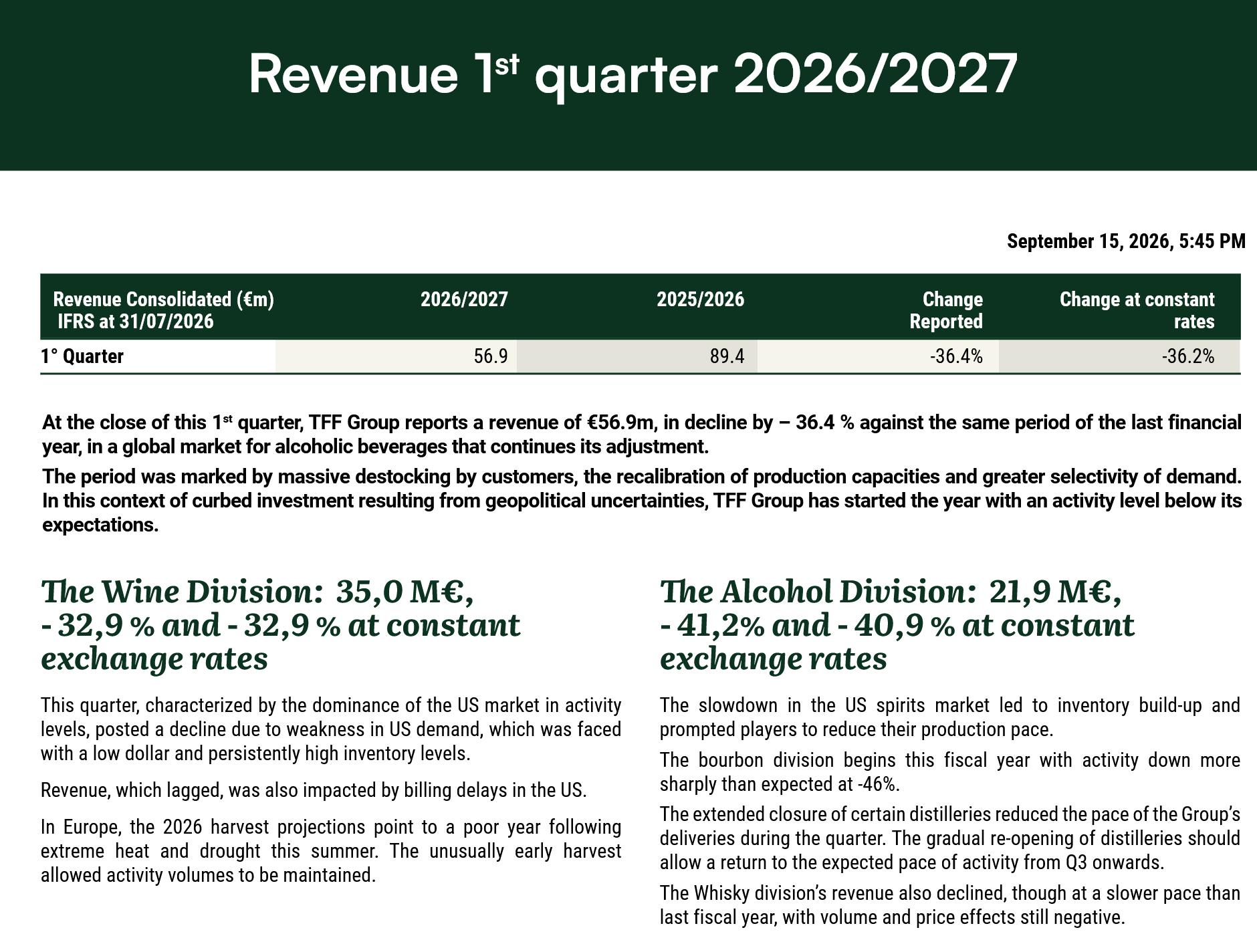
Then however came the horrible horrible Q1 (2026/2027) report in mid Septmeber which showed once again an acceleration of the sales decline, both in Wine and Whisky:
What really worries me now is the debt level of TFF. With declining Sales and profits, the 300 mn in net debt will become a larger and larger burden and refinancing this with the rapidly increasing interest rates especially in France is clearly not so easy.
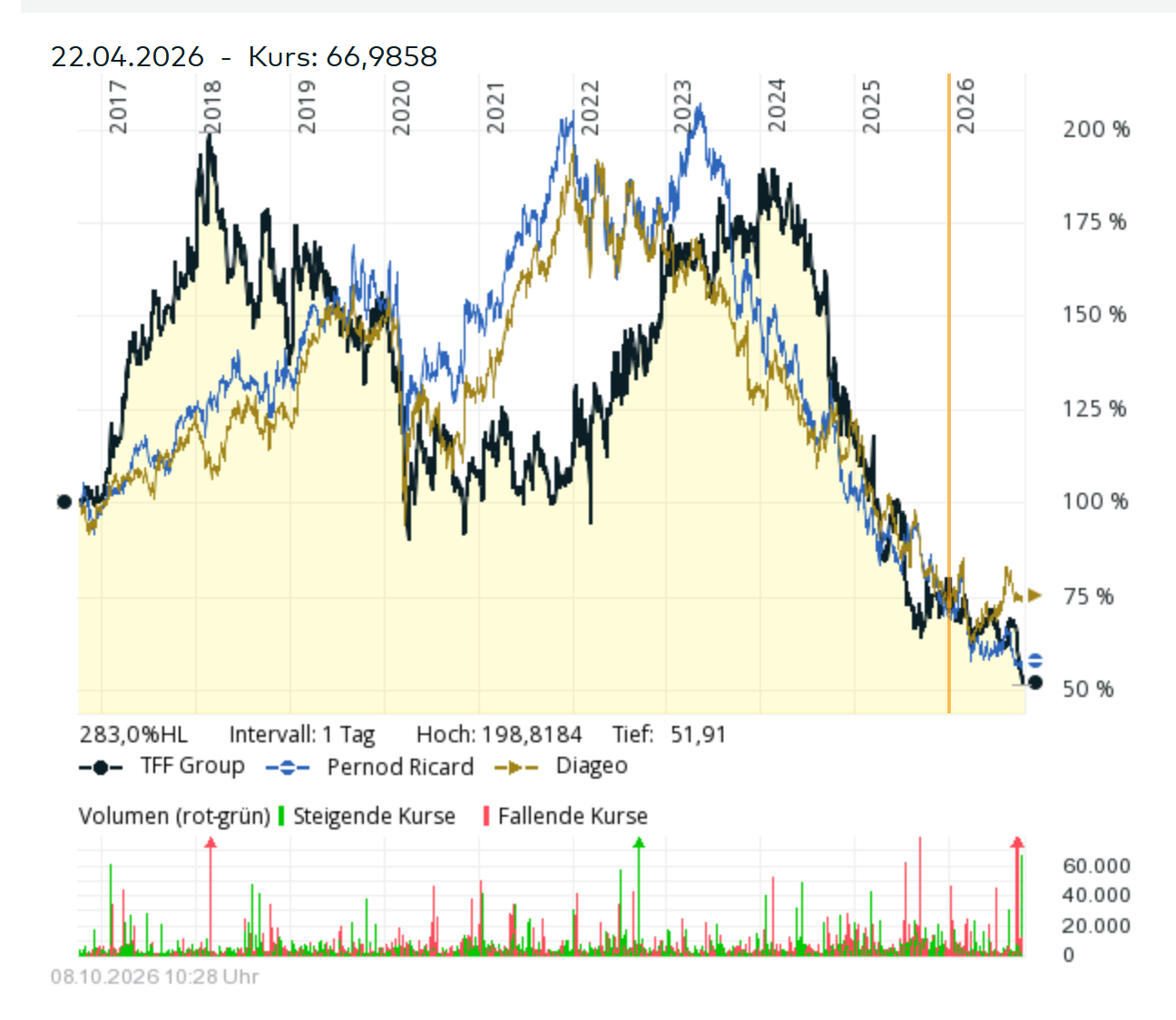
What I find interesting, looking at the charts of TFF vs. Pernod and Diageo, is that TFF’s share price for some reason kept up longer than the actual spirits makers:
One of the disadvantages of writing a blog is that when I write about a decision like this one, the risk is relatively high that I look like a complete idiot if the stock rebounds within a short period of time. Then the usual group of trolls will make nasty comments that I delete (of course).
I think that was also one of the implicit reasons why I didn’t sell earlier. Going forward, I think I will move from a “real time blog portfolio” to something like a “quarterly rebalanced watchlist” in order to avoid such “mental traps”.
In any case, after almost 17 years, I sold my TFF position which now was only 2% of the portfolio. My average purchase price (including a later purchase at a higher price ) was 11,75 EUR and I collected 4 EUR in dividends per share. That’s about 2% p.a. over almost 17 years. It improves a little bit taking into account the mentioned partial sale in 2022. But overall, the result was not great.
EVS
Luckily, I sold EVS in July because I didn’t feel comfortable after the CFO suddenly disappeared and numbers looked weak in an “event year” with Olympics and the Football Worldcup.
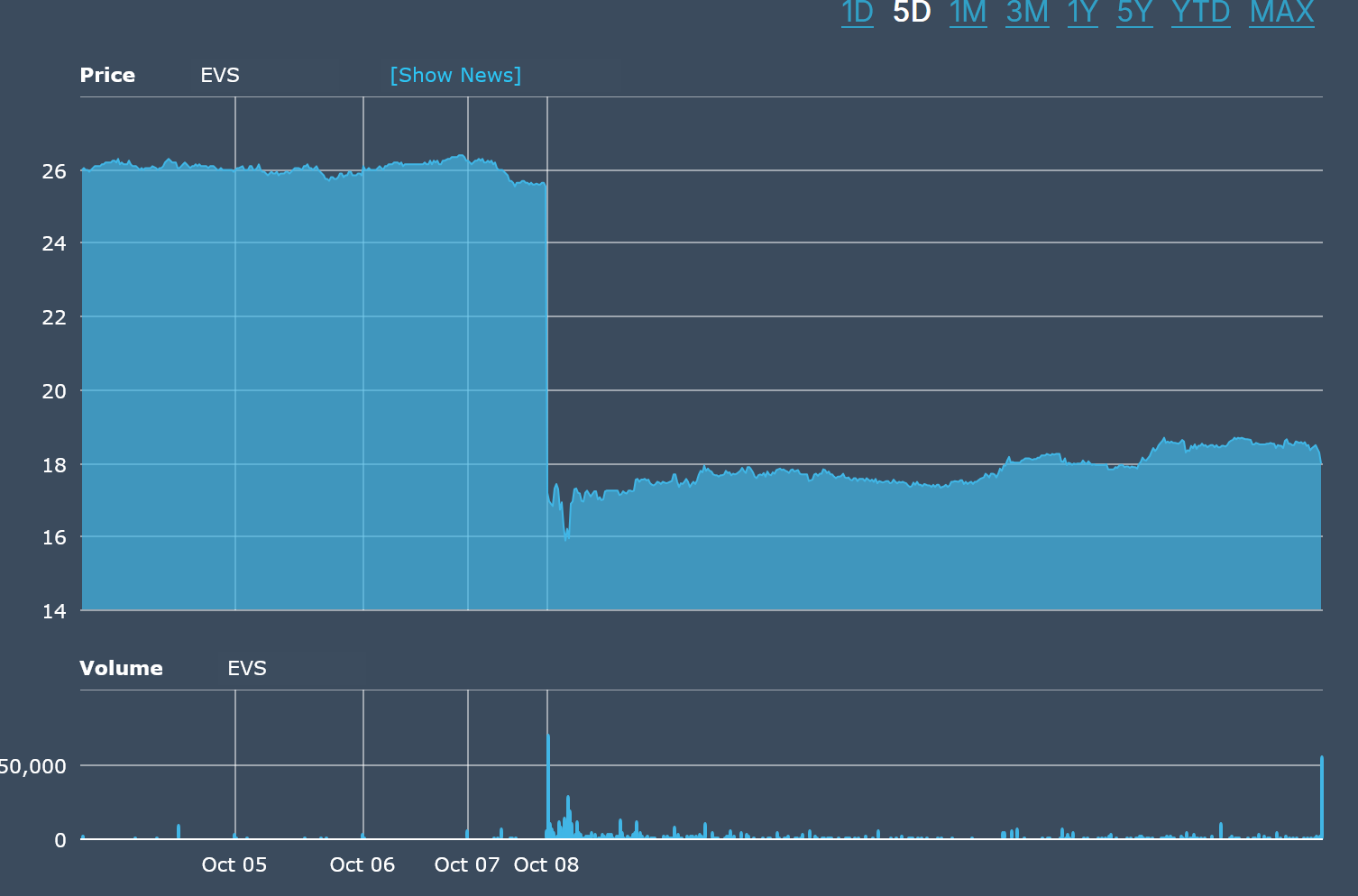
Yesterday, EVS drastically reduced their sales outlook for 2026 and the stock got hit really hard and was down -30% at the end of the day:
And this after being already down -30% YTD.
In this case, my timing was fortunately better than usual.
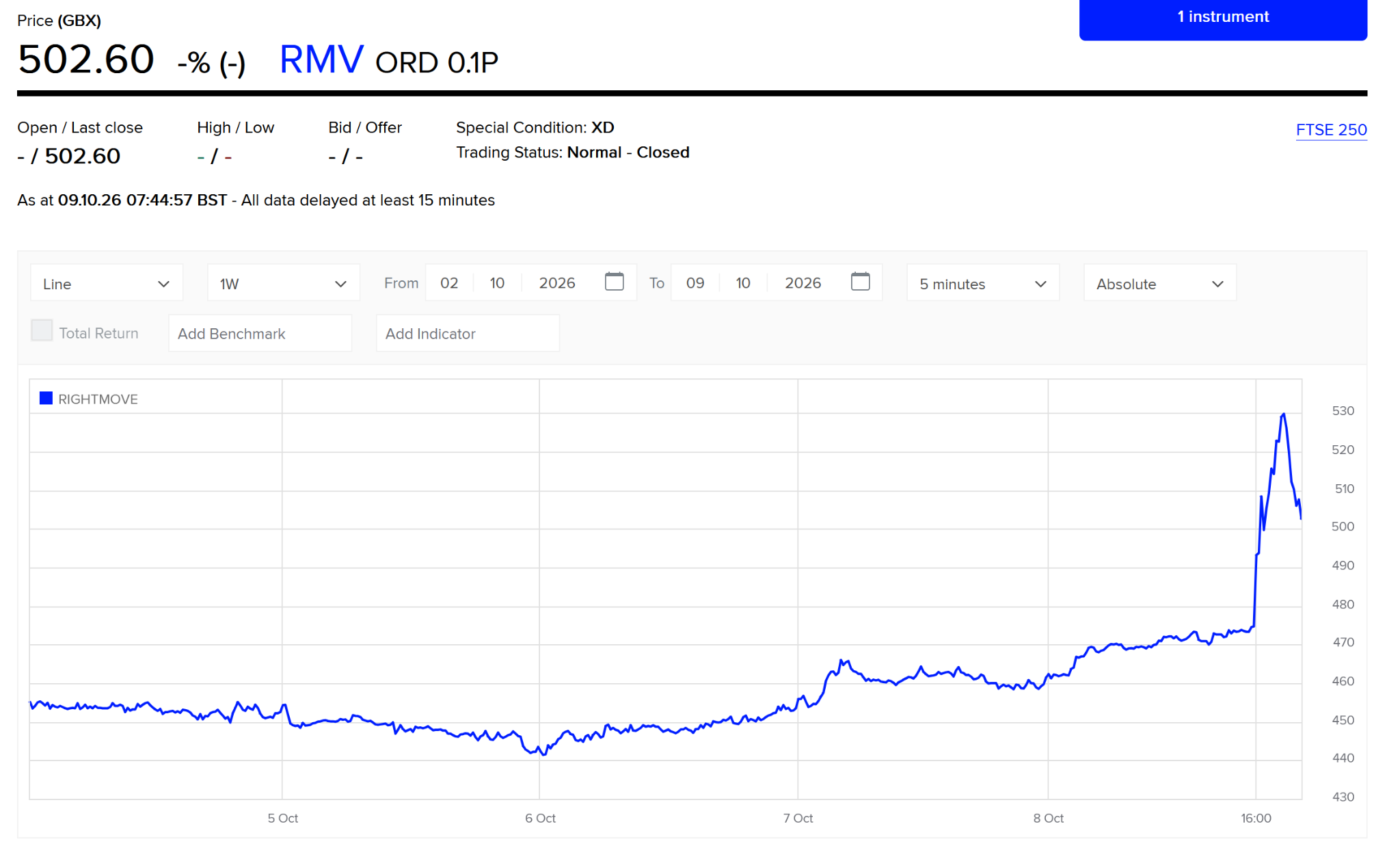
No one knows if there is any truth in that or not, but the significant reaction in the share price in my opinion shows that maybe (and this is a big maybe), the worst is behind for the major classified/marketplace players.
This is not a deep dive but more like my typical “first round screening” of a potential interesting investment. In the past, I would have not necessarily published it if I didn’t invest. Going forward, I will now and then publish these “initial assessments” mainly in order to receive feedback from readers who might see it differently. So please give feedback if you see things different !!!
As a Management Summary, I did not invest. Although I like the company, I could not build up the conviction for a 3-5 year investment case mainly due to recent slow growth and a somewhat risky acquisition.
Company History:
Cewe Color traces its roots back to 1912 to a photo finishing lab in the Northern German town Oldenburg. And that’s what they did for the next ~100 years: “finishing” or “developing” Fotos from films that were given or sent to them. For the (few) younger readers: In the old days, there were real photo cameras where you took the pictures on a rol of film and you could only look at the pictures after they came back from the phot finishing lab.
In 1951 they introduced color pictures, 1994 they started to develop digital pictures and in 2025 they introduced the category that is today’s most relevant: The photo book.
in 2007/2008, CEWE became the target of US activist Guy Wyser-Pratte, who wanted CEWE to speed up its transformation into a digital player. However, in 2008, the activists lost interest.
As a consequence of this “activist attack”, CEWE changed into a KGaA structure in 2013, which makes it factually impossible to take over the company as the listed shares are effectively only non-voting shares.
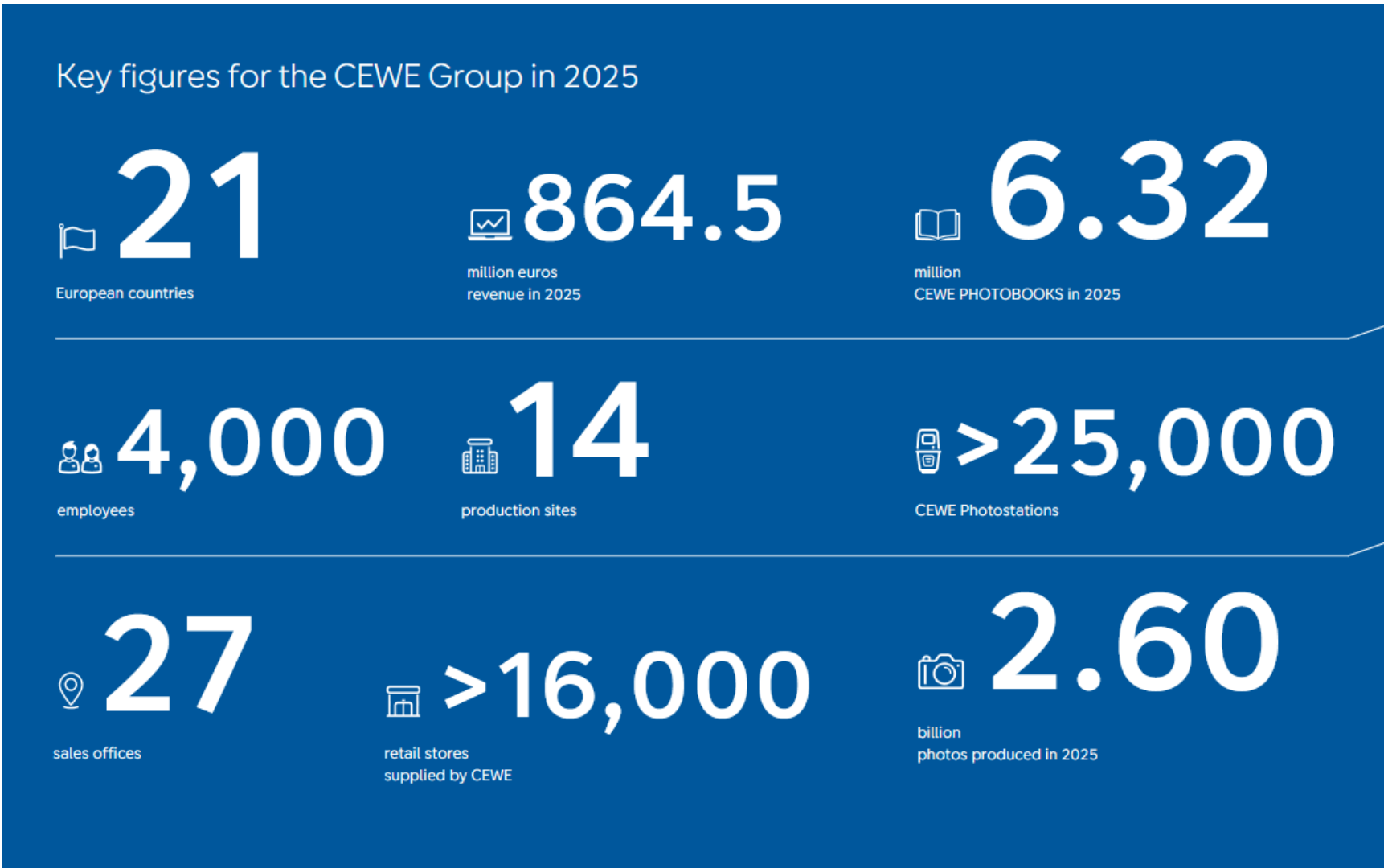
Here are some current highlights:
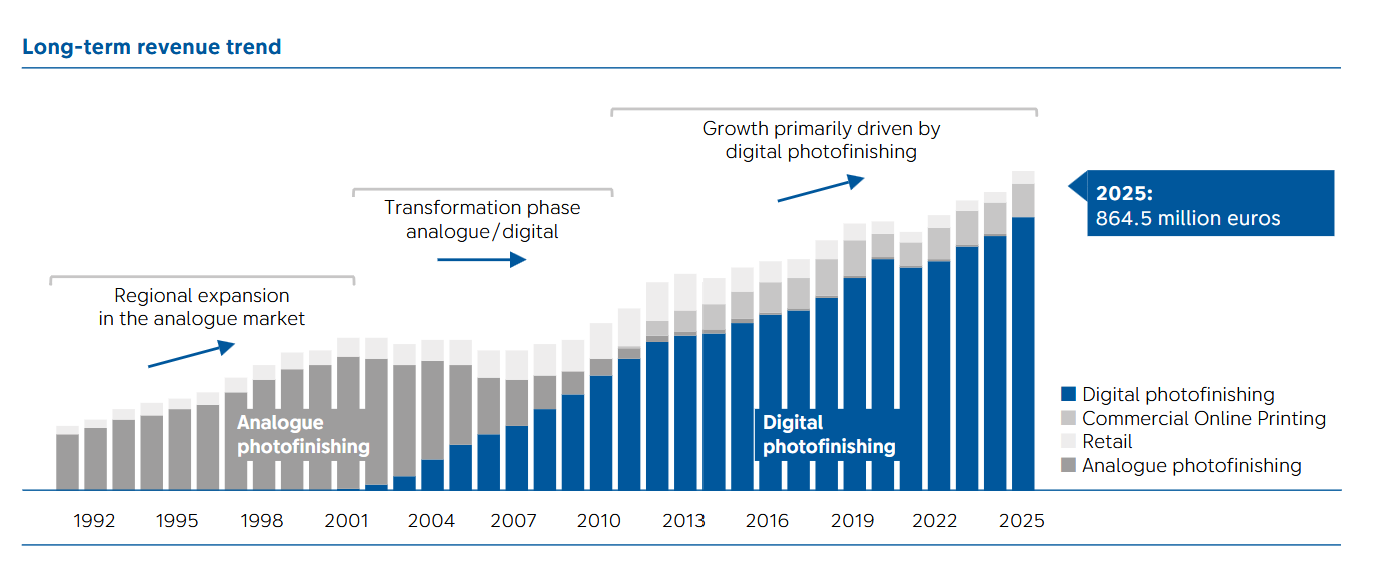
This chart from the annual report is very interesting which shows the transition from analogue to digital over the years:
When Wyser-Pratt “attacked” the company in 2007, only~50% of the business was digital, however that changed pretty rapidly.
From different sources, one gets an estimated market share for CEWE in Europe of ~30% and an estimated market share in Germany of >50%.
This seems to result in an one-off gain of around 50 mn EUR.
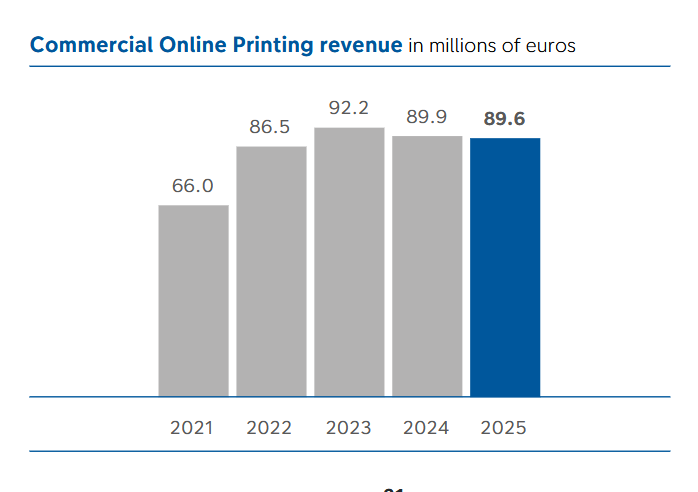
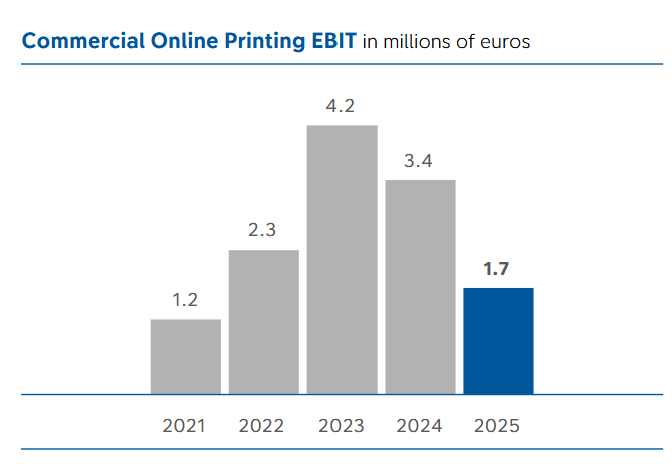
As we see in the numbers, the division was barely profitable and not growing but represented 10% of total sales:
More or less at the same time, CEWE announced an acquisition: They are buying the Kodak Moments business which is basically very similar to their CEWE in-store kiosk business from a US PE fund,
I found some information about the business from 2023 where it seems that 40% of the Kodak moments business seems to have been generated in Europe, 3% in the US and the rest in Australia and South America.
So CEWE sold ~2 mn in EBIT and acquired 11 mn EBIT, which seems like an OK deal. The big question s of course if and how fast they can bring the Kodak Moments business up to CEWE’s standards with double digit EBIT Margins.
The main risk that I see is that CEWE’s German Board (one exception) might struggle a bit with the non-European parts of the Kodak Moments business. I am also not 100% sure in what condition this business is after years of bankruptcy and 2 years of PE ownership.
General development
In general, looking at different sources, printing single photos still seems to be in a decline, while photo books seem to be growing, at least from a value perspective.. To my understanding, the acquired Kodak Moments business includes both.
Another question is at what stage, Agentic AI might be an issue for “branded” Photo book offerings. My feeling is that things move quickly, but I have no idea if and when this could be a threat.
Other aspects:
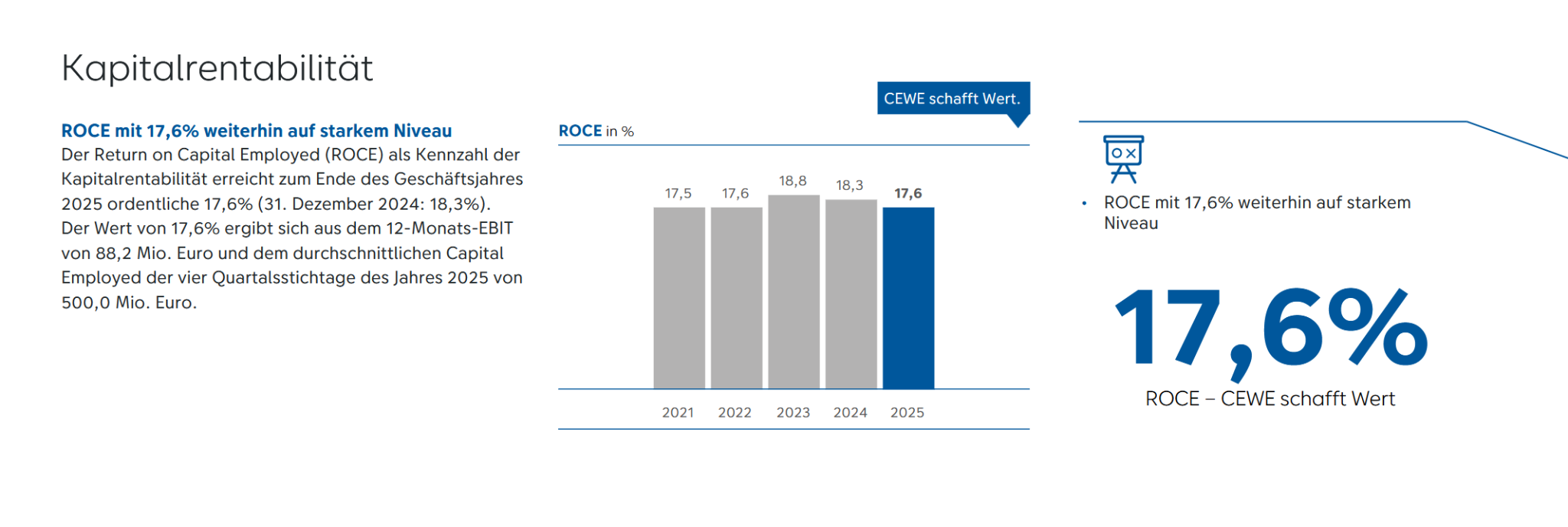
What I do like about CEWE is that they report ROCE which is rather unusual for a German small cap. ROCE numbers are pretty OK:
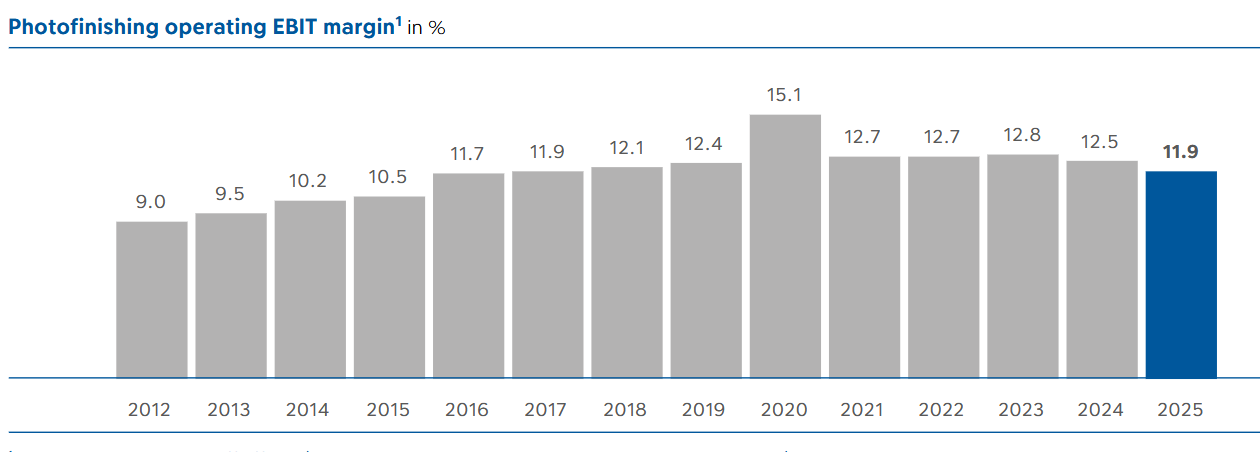
Ebit margins are double digit, however since the Covid Boom, they have been going down a little bit.
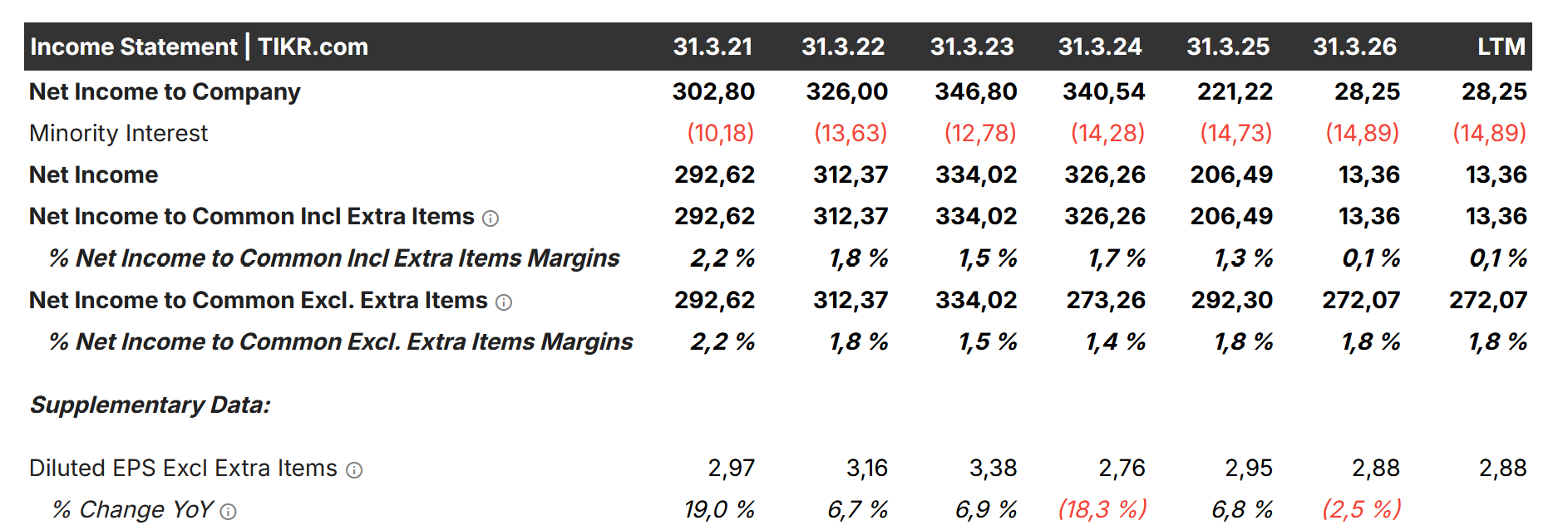
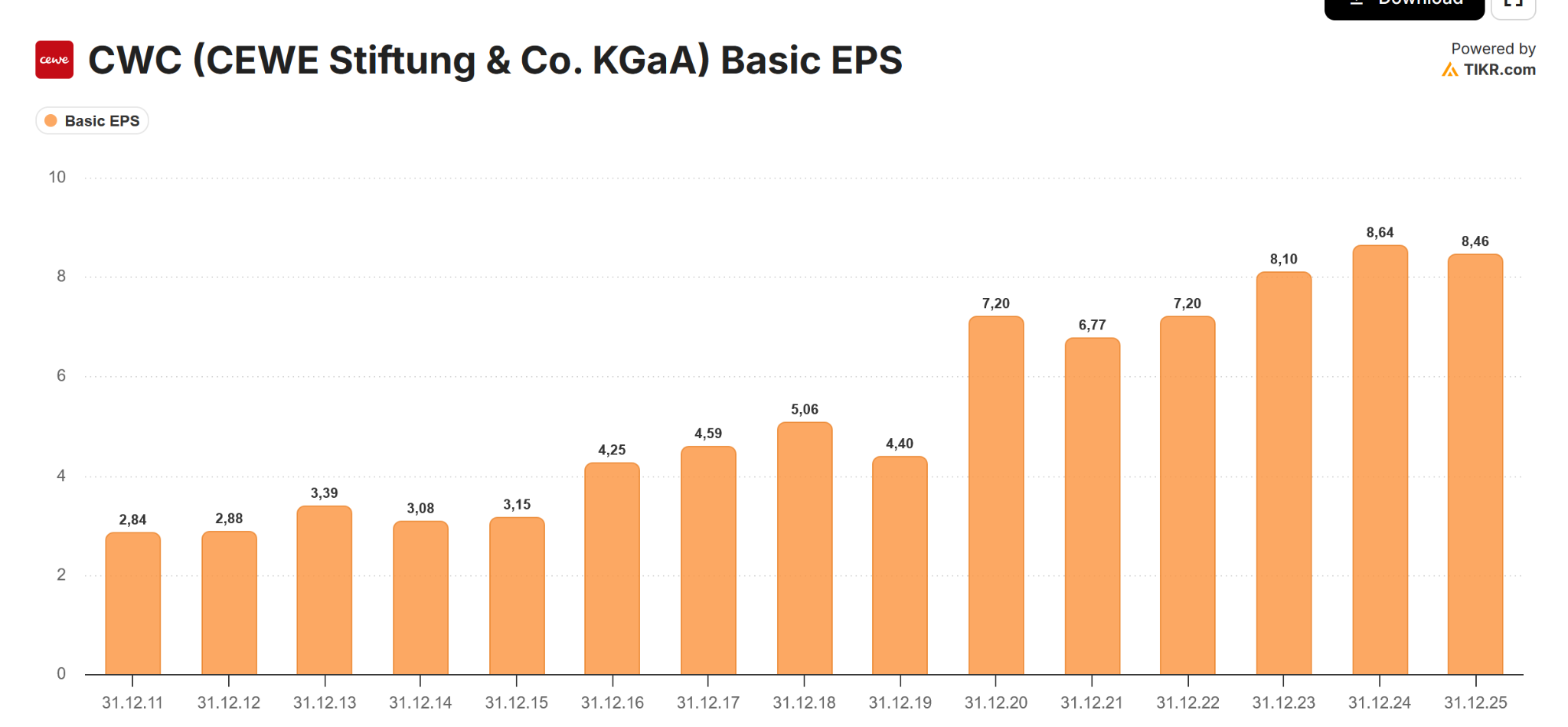
10 year EPS growth from 2015 to 2025 has been ~10,4% p.a. which is pretty impressive. However, since 2023, EPS was rather flatish. The main growth came in the years up to 2022.
This is the EPS chart from Tikr:
Valuation & Share price:
Looking at the chart we can see that CEWE peaked during COVID and traded sideways until recently, underperforming both, SDAX and MDAX (before dividends)::
Recently the stock went up from the trading range as some market participants seem to see a better future.
Valuation wise, the stock is still relatively cheap.
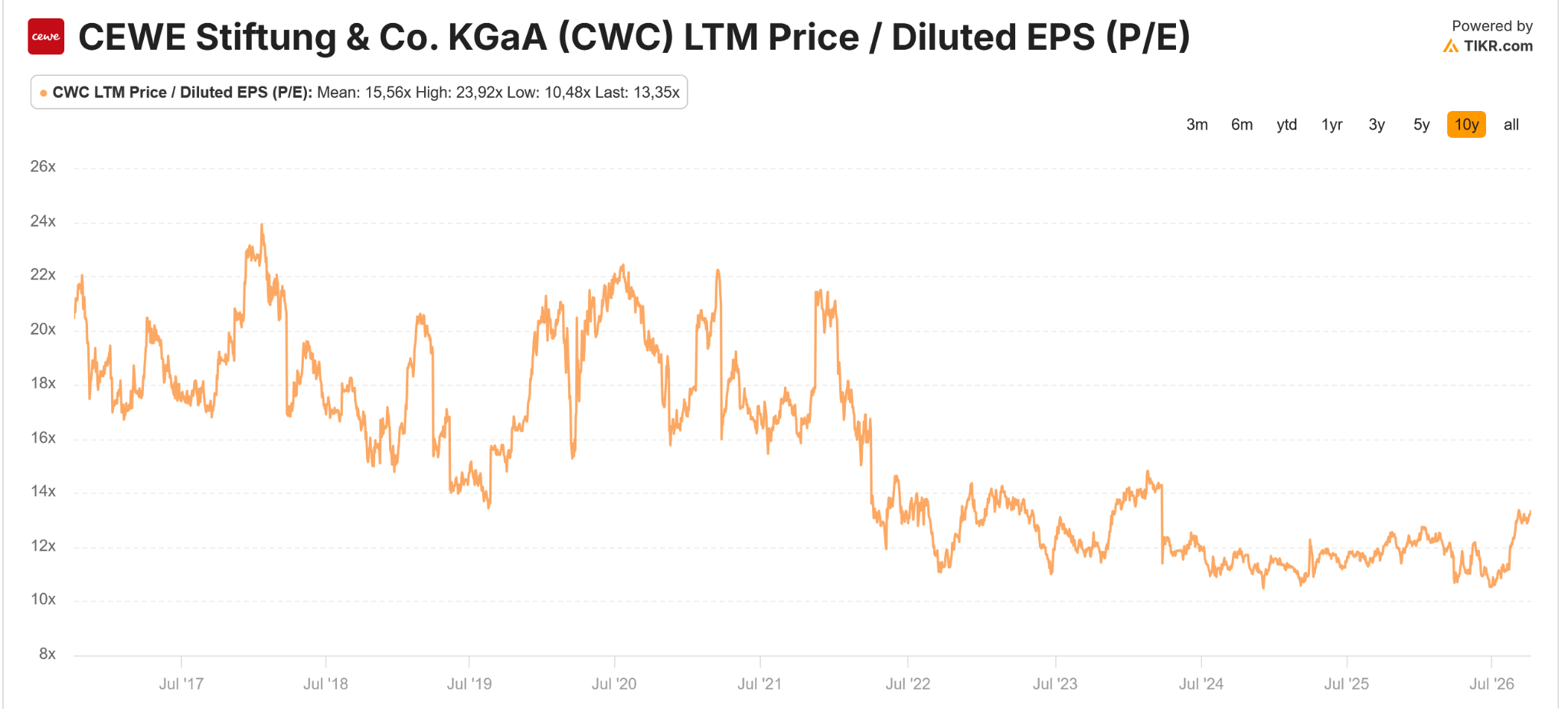
Based on trailing 12M P/E, the stock trades at around 13x P/E vs. an average of 15x:
Pro’s & Con’s
still cheap
profitable
no debt
3% dividend yield
sale of unprofitable division
+/- some share buy backs
low growth in the last 3 years
super seasonal business, all in Q4
KGAA Stiftung
EBIT margins creeping down
Kodak Moments acquisition risky
Large exposure to the German/European consumer
Intermediate conclusion
Although I kind of like CEWE, at this stage I don’t see myself investing into the stock on a 3-5 year horizon,
Yes, it’s cheap, quite profitable and the stock price has just trended upwards. On the other hand, I do see the risk that the recent acquisition might not go so smoothly and I am also not sure about growth prospects after that one time bump from the acquisition.
If I would be in the mood for shorter term trades, I might set up a 3-6 month trade trying to ride the current momentum, but the high interest rates make me nervous.
I also need to manage my exposure in the portfolio to the European consumer to which I am exposed directly and indirectly through stocks like Sixt, Fielmann, Thermador, Italmobiliare etc.
Therefore, for the time being, I am not investing into CEWE but keep it on the watch list.Upfront remarks & Management summary:
This is not a deep dive but more like my “first round screening” of a potential interesting investment. In the past, I would have not necessarily published it if I didn’t invest. Going forward, I will now and then publish these “initial assessments” mainly in order to receive feedback from readers who might see it differently. So please give feedback if you see things different !!!
As a Management Summary, I did not invest. Although I like the company somehow, I could not build up the conviction for a 3-5 year investment case mainly due to recent slow growth and a somewhat risky acquisition.
Some readers might remember that I did a series on Online travel companies some years ago. Here is the link to the last post, including links to previous posts (2017 to 2022, time flies…)
I ended up investing for a short time in Expedia but, for some reason, never looked at Booking.com, which even back then was the clear market leader.
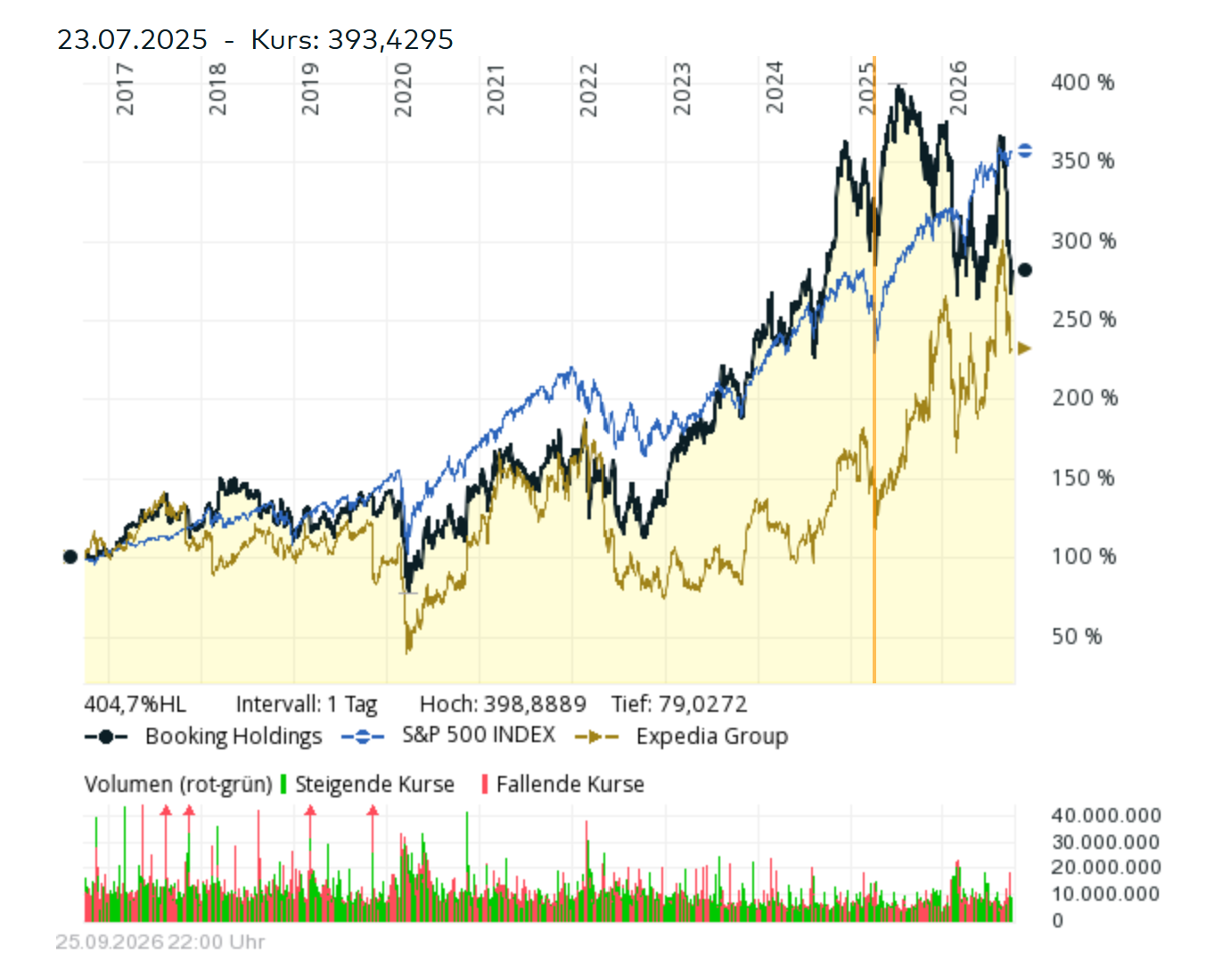
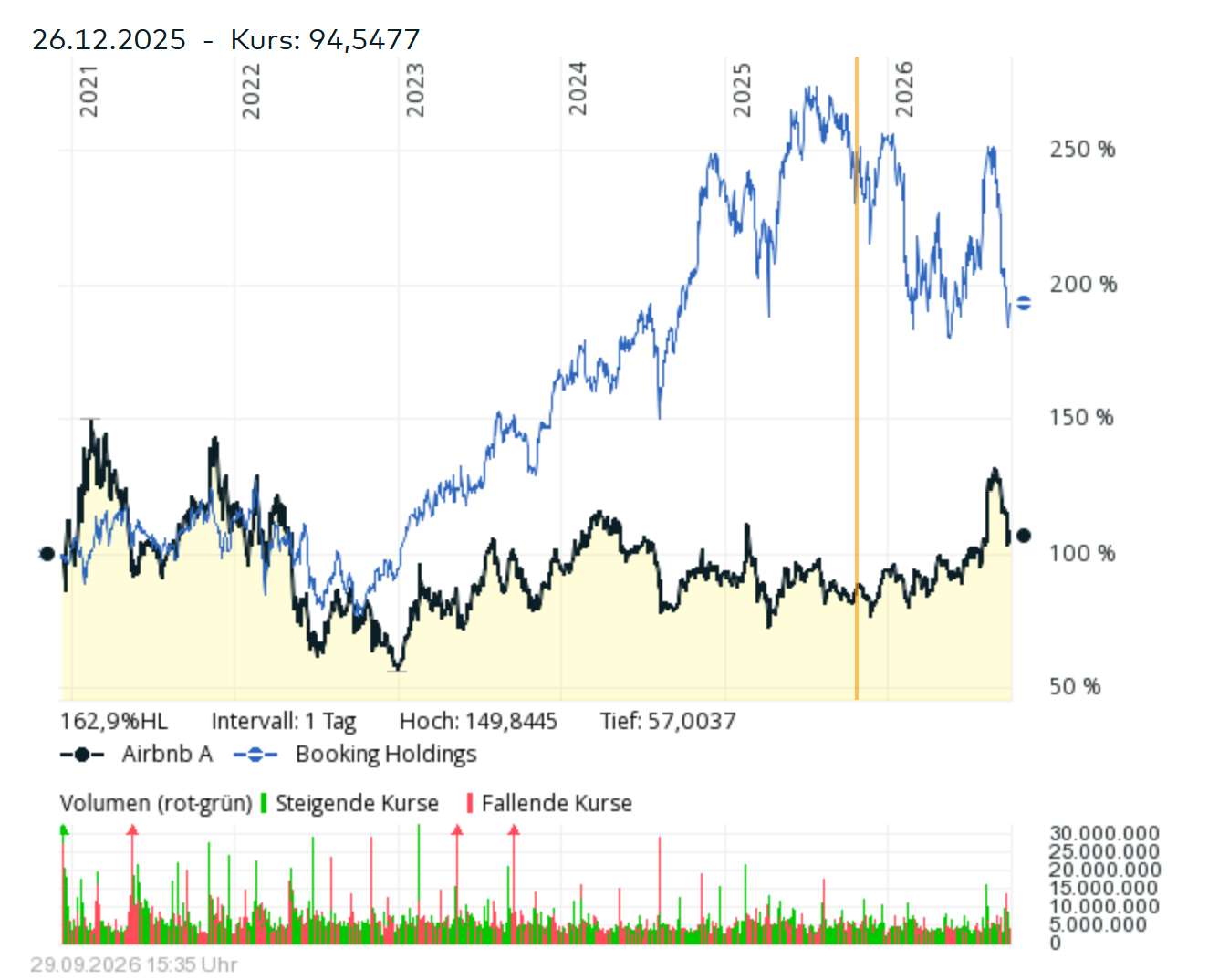
Looking at the charts we can see that Expedia and Booking have done OK. Booking actually did better than the S&P until early 2026:
Back then when I wrote the series, the newly launched Google Travel was the big bogeyman and mostly killed the pure “display aggregators” like TripAdvisor and Trivago, whereas the “Booking engines with inventory” like Booking and Expedia did ok.
Another interesting comparison is AirBnB and Booking. Comparing both since AirBnBs much hyped IPO in Decmeber 2020 is pretty interesting:
While Booking is still up nicely, AirBnB didn’t go anywher. for the last 5-6 years-
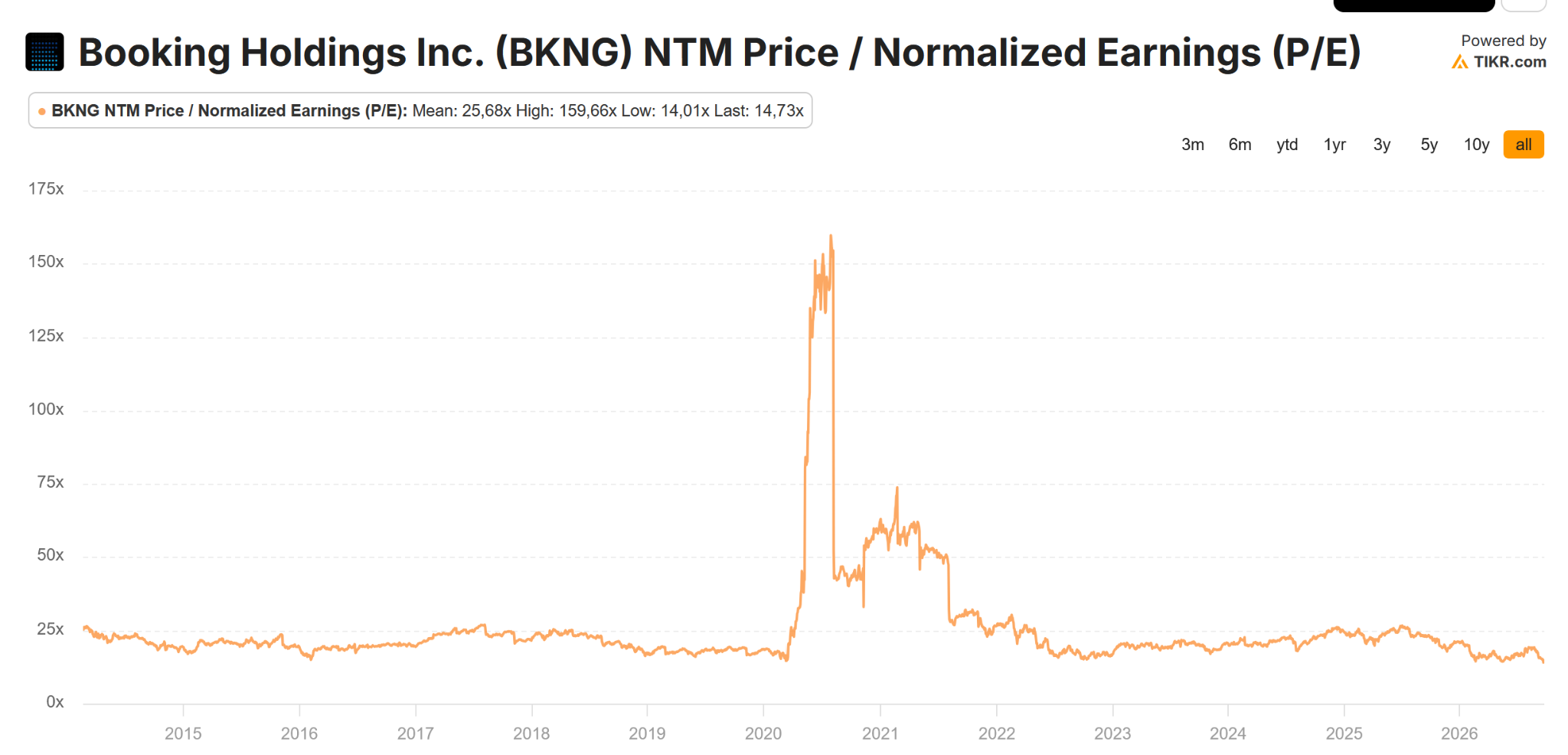
Under the hood however we can see Booking, with the exception of the Covid period, historically traded at a NTM P/E of ~25x whereas today it is only trading at ~15x NTM P/E-
This is the reason why I decided to have at least a first look into it, as a P/E of 15 for a “high quality compounder” is not a bad starting point.
Booking has changed over the past years
One of the most striking things about Booking is how they have changed their underlying business model over the past few years compared to when I started the travel series.
They always distinguished between Merchant vs. Agency bookings. A merchant booking is when you pay to Booking first and then Booking pays the Hotel/Airline/Car rental. An agency booking in contrast is when Booking is not involved in the payment and just creates the “match”.
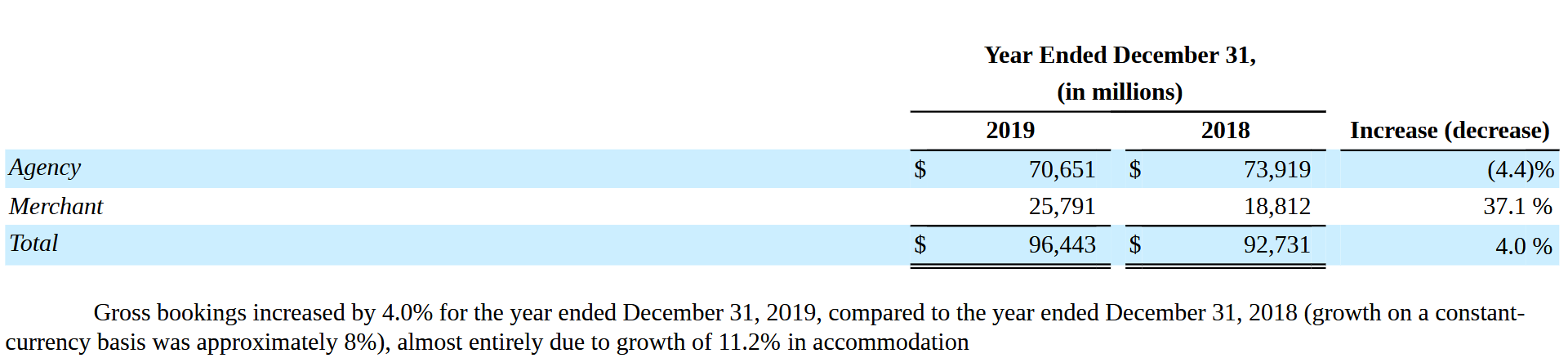
This is how things looked in 2018/2019:
80% of Booking’s business was Agency, only 20% were merchant transactions. Now let’s compare with the first 6M 2026:
Today, 73% of the bookings are Merchant bookings and the merchant share is still increasing.
Booking initially focused on the Agency because this was market standard and easier to implement especially with the hotels but not very cash efficient, as they had to “front” all advertisement expenses and could only collect the commissions much later.
With the merchant model, similar to airlines or package holiday companies, they can create a nice, interest free “float” of customer prepayments. In total, that results in significant negative working capital, meaning that further growth actually creates capital instead of requiring capital which is a very nice position to be in.
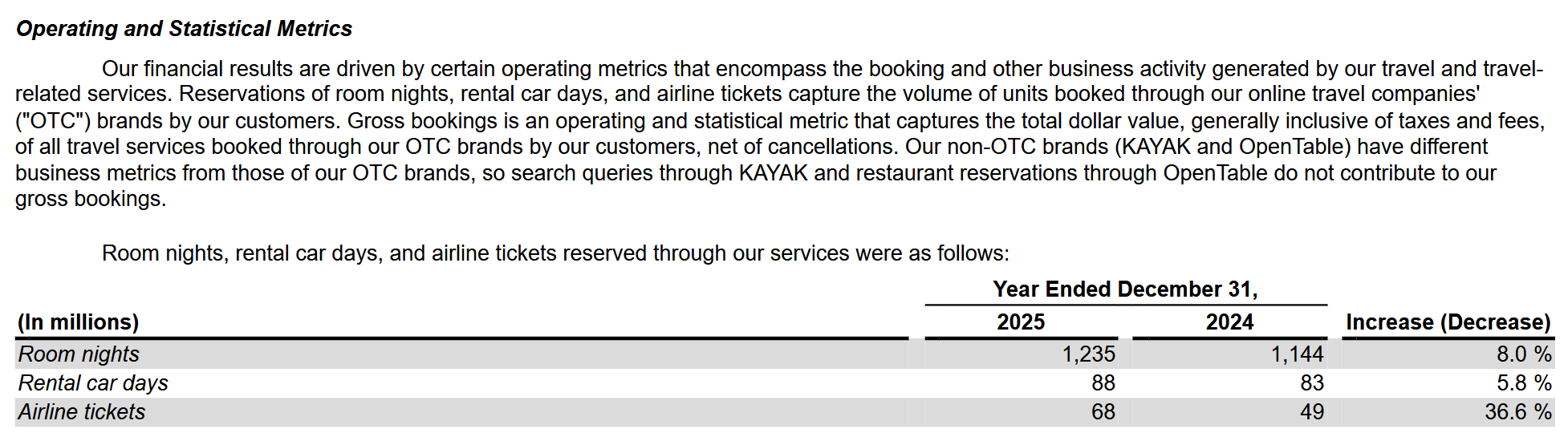
In addition, Booking has diversified much more into apartment rentals, airline tickets and car rentals. They don’t tell us how much the share of these categories is in USD, but this part from the 2025 report shows that especially airline ticket sales are growing significantly:
Booking is calling this the “connected trip” which is currently still a relatively small slice of the pie but seems to grow faster than the overall business:
Cash generation & share buybacks
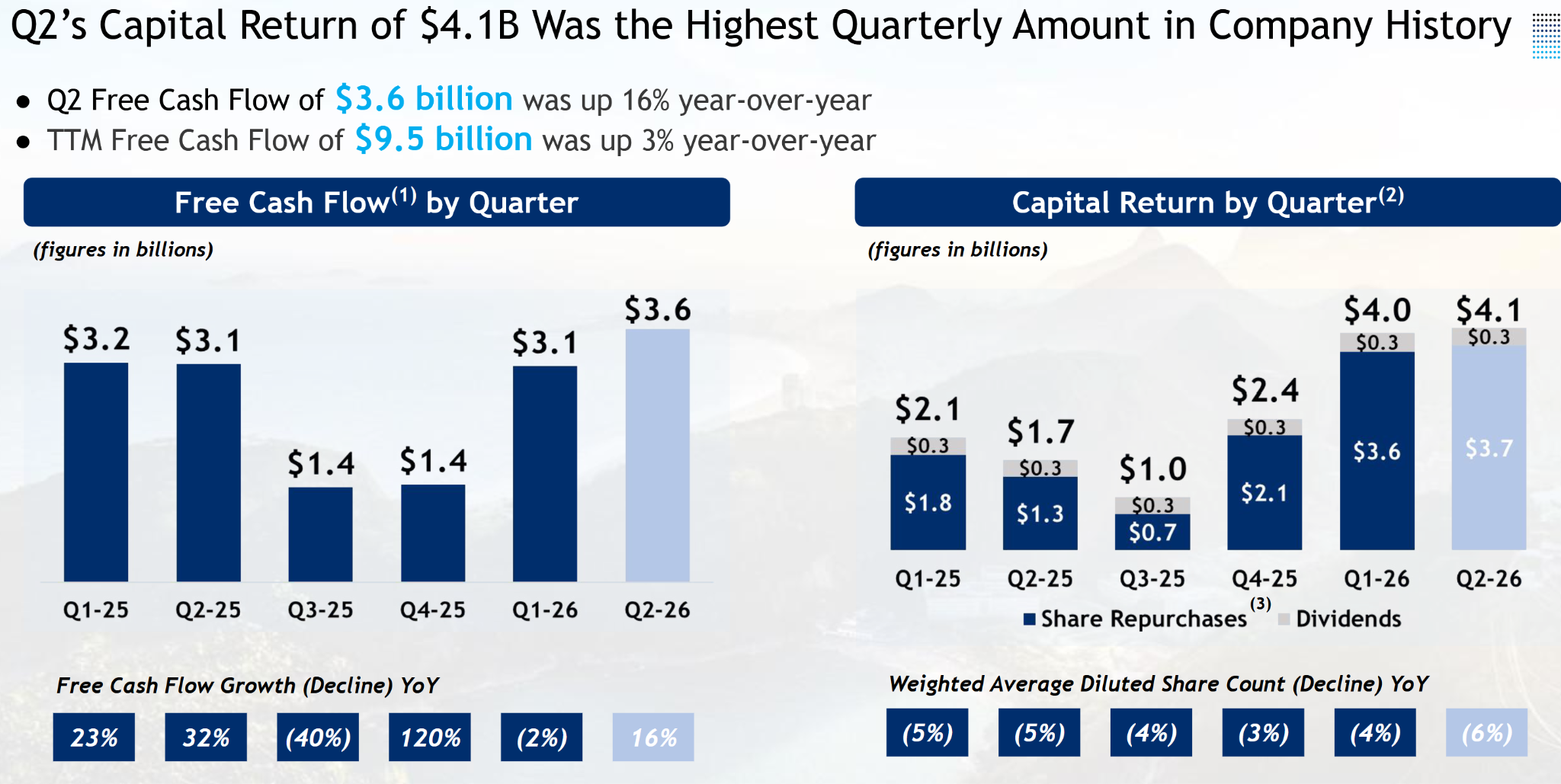
Increasing the merchant model share means that Booking holding has been creating tons of cash despite nice growth in the past and uses most of that cash to buy back shares on top of a small dividend.
This is a chart from their latest presentation:
This TIKR chart shows how share count has evolved over the past 10 years:
With the exception of Covid, they have been reducing sharecount by around -5% CAGR over the past 8 or 9 years.
Geopolitical exposure
Travel and tourist related stocks like Booking are always exposed to Geopolitical tensions. As they mention in their Q2 report, the Iran war has dampened demand from the important Gulf region.
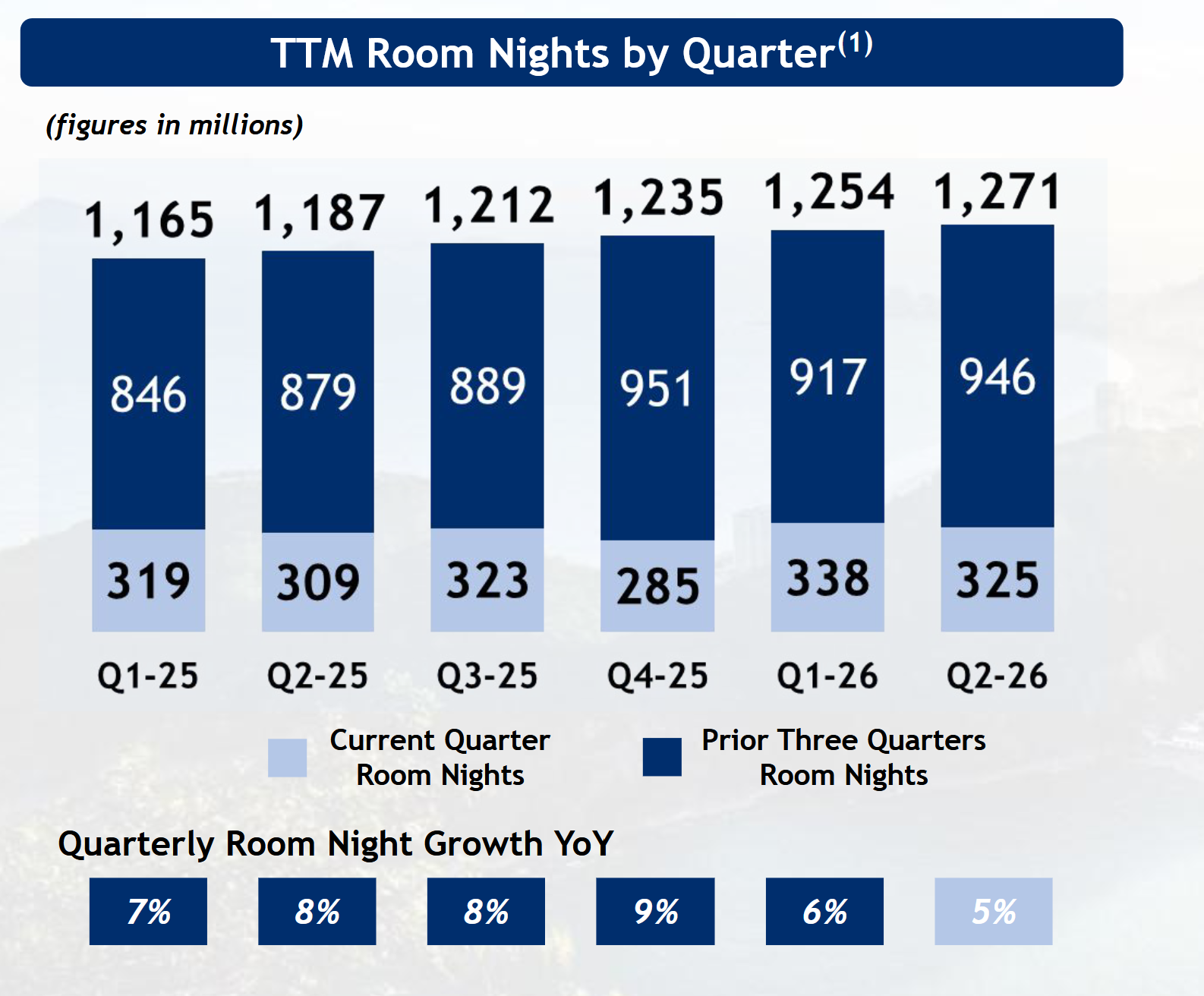
High fuel and ticket prices will also maybe lead to shorter holidays in many cases and less nights that are booked.
As we can see in Bookings 6M report, growth rates already came down in Q1 and further in Q2 because of the start of the Iran war:
Especially the Q1 number is quite surprising, as the war started “only” at the end of February.
Normally, such a (temporary) weakness in global travel has always been a good time to invest especially in a market leader like Booking. From the lows in the initial Covid months, the stock had made 4x in the next 5 years or so. But: Also for Booking, the perceived threat of “Agentic AI” has to be considered.
So let’s move on now to the Agentic Thread (MUSE & Co)
Booking is a company where many people have some experience with the product, myself included. I have to admit that I have some kind of love&hate relationship. I love Booking for doing initial research on hotels. But in many cases I try to find out after choosing an option if I can get it at least as cheap directly. Sometimes it works, sometimes it doesn’t.
A big risk in investing especially with “consumer stocks” is always to look at ones own behaviour and then make conclusions for all the other consumers based on your own behaviour. That only works, if your behaviour is similar to the majority of consumers. If not, this can land you in a lot of trouble.
So in this case, I don’t think that my own behaviour is a good proxy for all consumers. I actually enjoy doing research for a family holiday trip, which is something that most likely not a lot of people share.
From what I am reading right now, Muse is not very good and makes a lot of mistakes. A friend of mine experimented with Clawbot, which also had its limits. But as ChatGPT, I do assume that those agents get better rather quickly.
So the question is: Will a lot of people delegate more and more tasks to these agents and which ones ?
The big question one needs to answer is the following: Is, maybe, travel a category that gets more easily disrupted by Agents compared to buying a car, an insurance policy or even a house ?
My answer to that is: I do not know, but I guess Travel is more exposed to this than Cars or houses. The next question then is: Will Agents “cut out” the middle man (Booking) or rather use the middle man as an easy source in order to fulfil tasks ?
Those are very difficult questions which in the case of Travel, I am not able to answer.
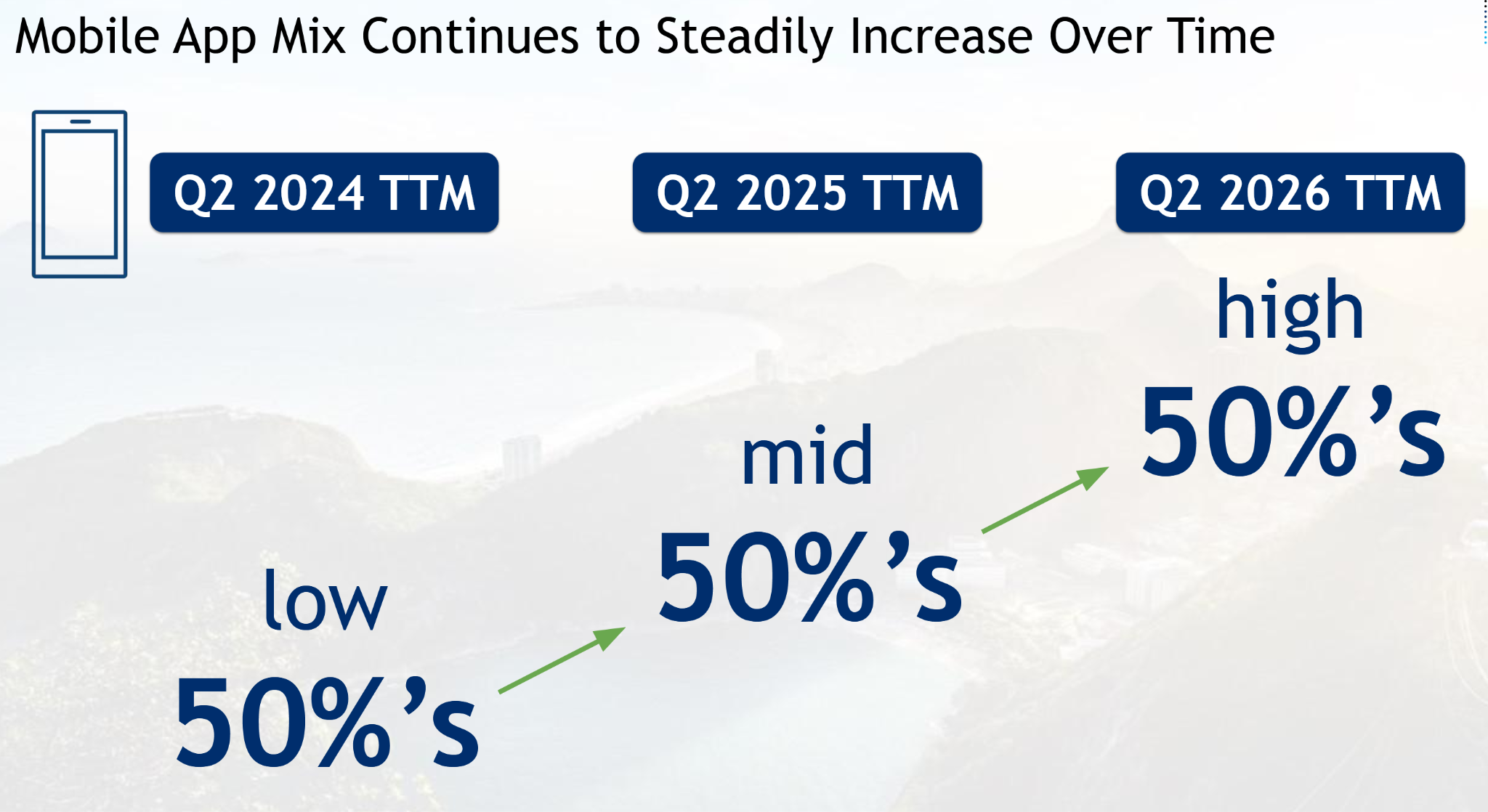
One indication that it could take more time than current “Agentic maxxers” think it takes is this page from the Booking presentation:
I think it’s still kind of interesting that only slightly more than half of Bookings clients are using a mobile device. This is interestingly below the average in E-Commerce which indicates that travel might be a little bit different compared to buying a new vacuum cleaner etc.
Some statistics show that more and more people use Chatbots for planning a trip, which so far however has not structurally changed the business model of Expedia and Booking, as they were able to integrate themselves into those conversations. So there is clearly also a path, where Expedia and Booking remain (very) relevant even within Agentic commerce.
On the other hand, Booking’s fast growing segments “connected trips” and airline tickets could be the first ones to see some kind of disruption.
But in any case, I find it much harder to underwrite Booking at 15x NTM P/E compared to an Autotrader at 12x or a Rightmove at 15x. Maybe I am wrong here, but only time will tell.
I do think that the risk is clearly higher for Travel and therefore for Booking than for categories such as Cars, real estate and even insurance which is regulated.
Summary:
Not looking at Booking 7-8 years ago because they were expensive, was clearly a “failure of omission”.
However, despite the rather attractive valuation, in Booking’s case, I am less sure if and how fast Agentic E-Commerce could negatively impact the business model.
Letting an AI Agent book a (cheap) flight is clearly less a leap of faith then letting an AI agent buy a new car or even a new home for you.
I will keep Booking on my watch list and might revisit if it becomes even cheaper, but for the time being, I could not convince myself to establish a position in the stock, despite all the obvious qualities of the Business model.
Appendix: Good Podcast discussing Booking’s business model
Disclaimer: This is not investment advice. PLEASE DO YOUR OWN RESEARCH
I actually started to write this post before the newest hype about “Muse”, the new AI Agent from META, really went mainstream. I decided to leave the old part and then update it instead of completely changing it.
As my DCC investment ends its “natural life” and I have begun to unwind it, I decided to have a look at a group of beaten up UK stocks that one could summarize as “Comparison portals” or “Two sided online market places”: : Mony Group (Insurance), Autotrader (cars) and Rightmove (real estate).
As the post became quite long, I also picked a track to keep you entertained while your LLM assistant is summarizing the post for you:
Mony Group, the former Moneysupermarket Group is a UK focused comparison portal where people go to compare quotes for Insurance policies, loans, broadband tariffs, electricity contracts. in addition they offer a referral shopping app/system that offers Cashbacks (discounts).
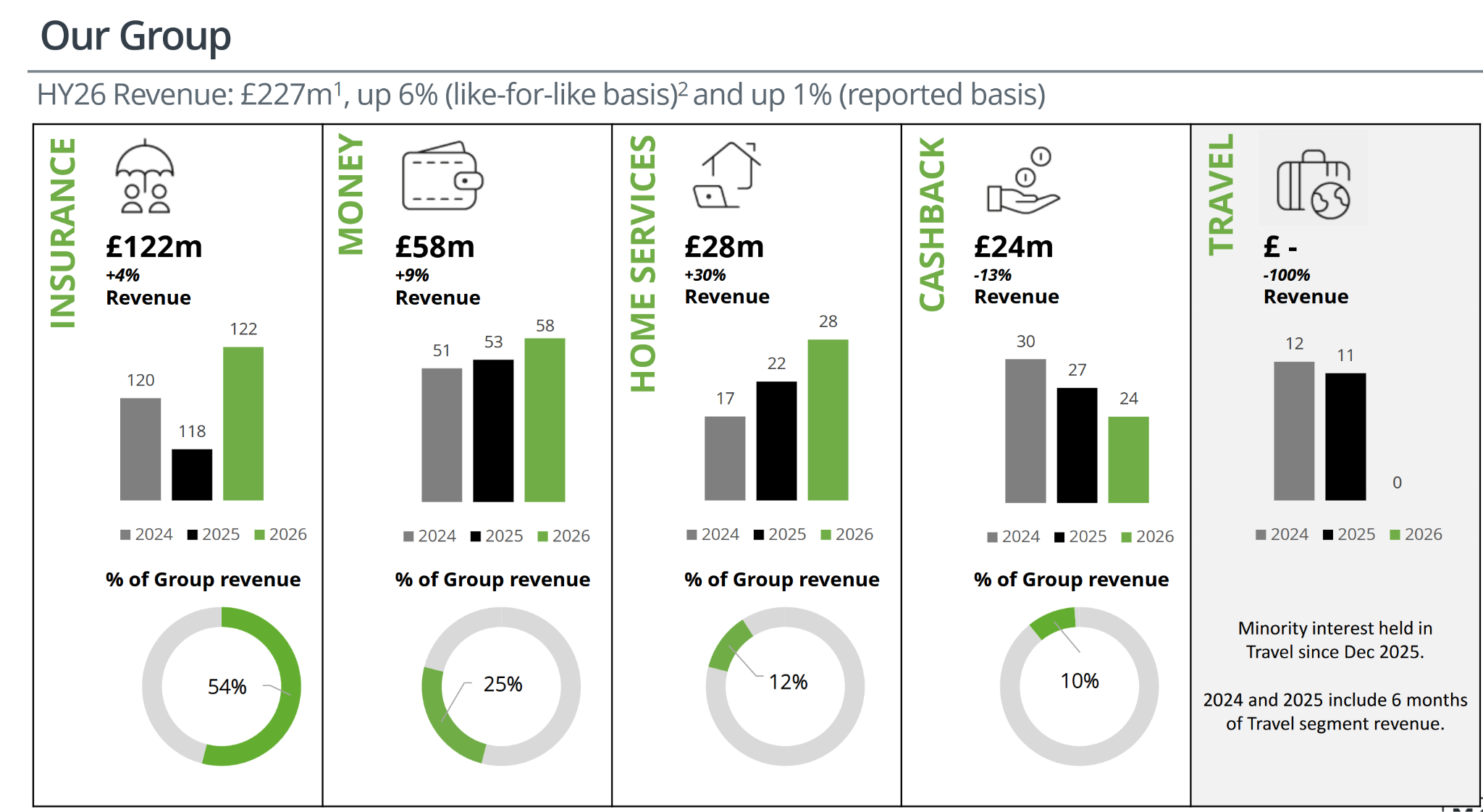
This is from the 6M Investor presentation with the distribution of sales::
We can see that insurance is over half and that they have disinvested travel related offerings in 2025.
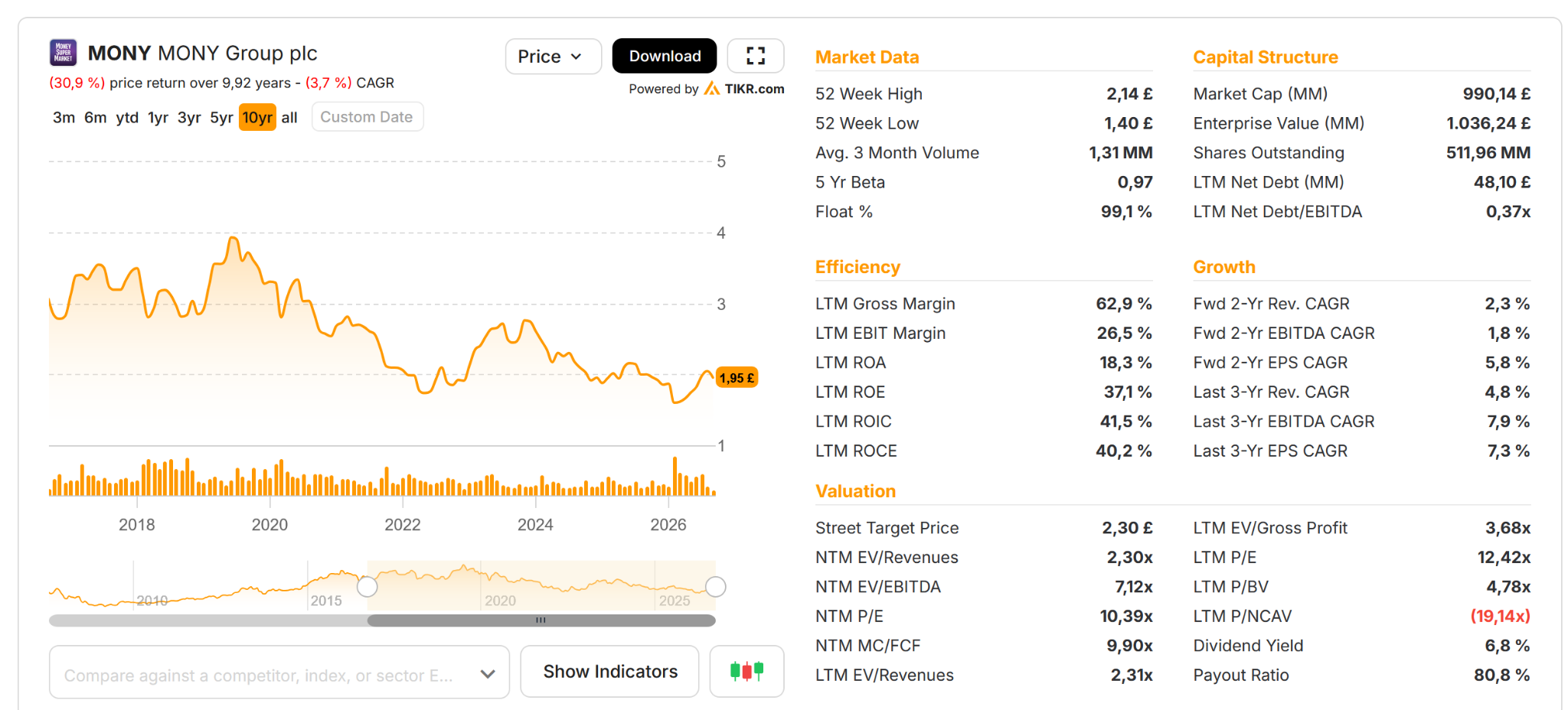
This TIKR Screenshot shows us that Mony’s stock was not a very good investment over the past 10 years:
However the share price seems to have stabilized to a certain extent and the stock is cheap. The business as such is very profitable and has been growing low single digits for the past 3 years or so.
Other than the next two companies, Mony is only the number two comparison portal in the UK, pretty far behind a site called “Compare the Market” but bigger than “go.Compare” and “Confused” which used to belong to Admiral.
Multiply has been collecting comparison marketplaces steadily, like Verivox in Germany or the non-UK sites from Admiral.
Autotrader
Autotrader is THE leading UK online car portal where both auto dealers and private customers are buying and selling mostly used cars. It used to be a print magazine but successfully transformed into THE dominant online market place in the UK.
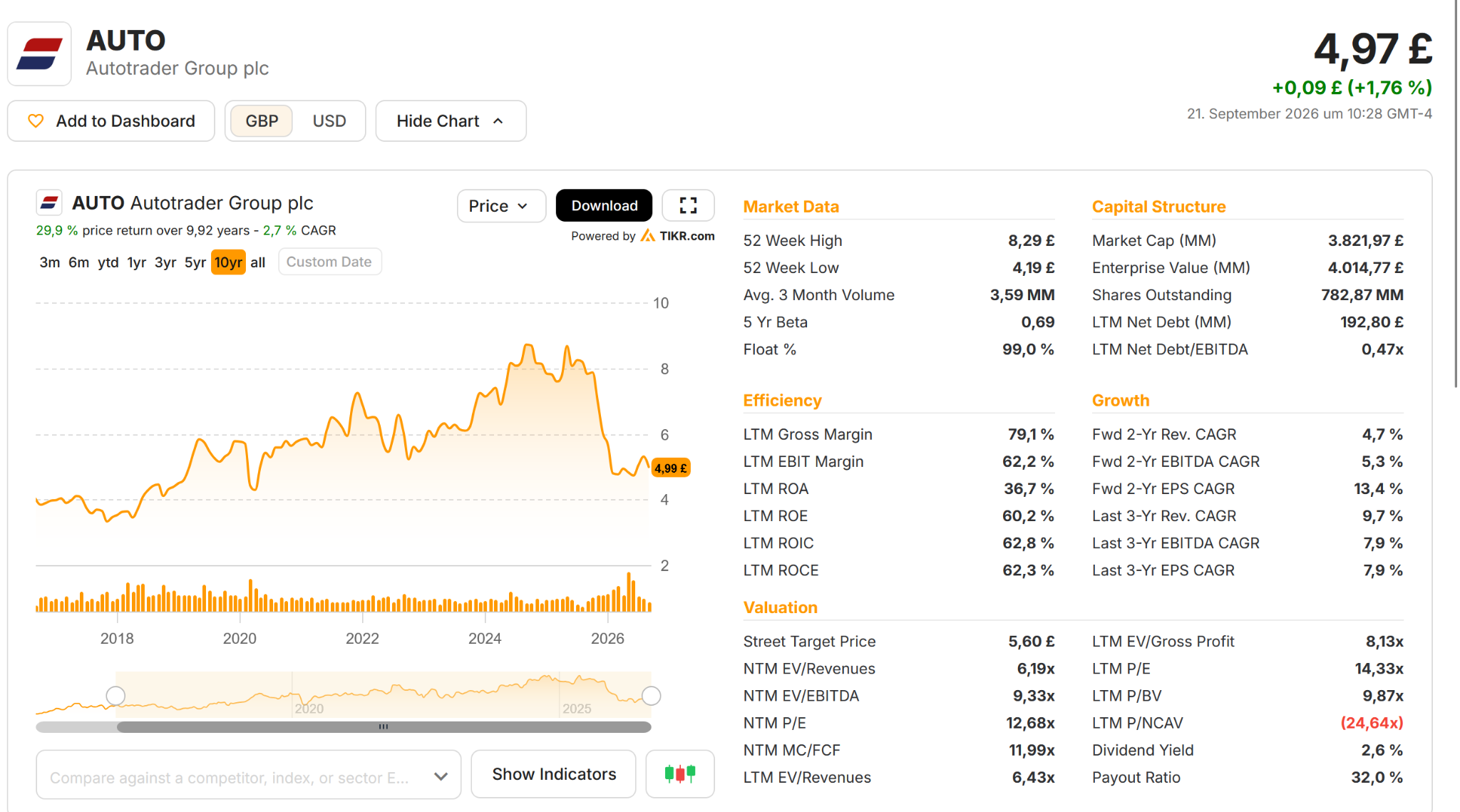
It is supposed to have a market share of 75-80% in the UK. Over the last 10 years, it has not done much especially after it got hit by “SAASocalypse” fears:
The stock is a little bit more expensive than Money Group, but almost absurdly profitable.
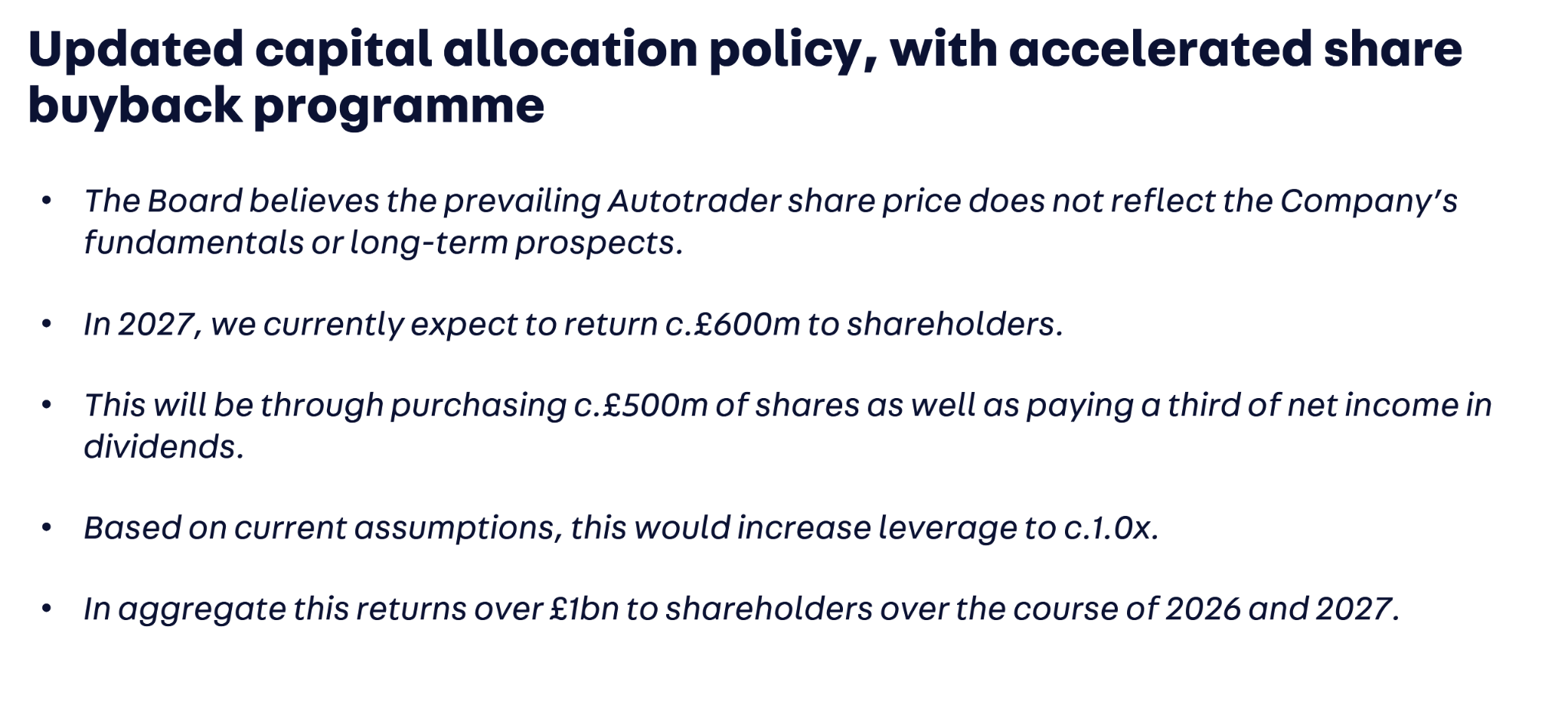
What is worth mentioning is that Autotrader has already started and committed to a massive share repurchase program:
What Autotrader is to cars, Rightmove is to real estate with the only exception that Brits are really obsessed about real estate. Almost any (friendly) Brit I know is using far too much time scrolling through right move listings.
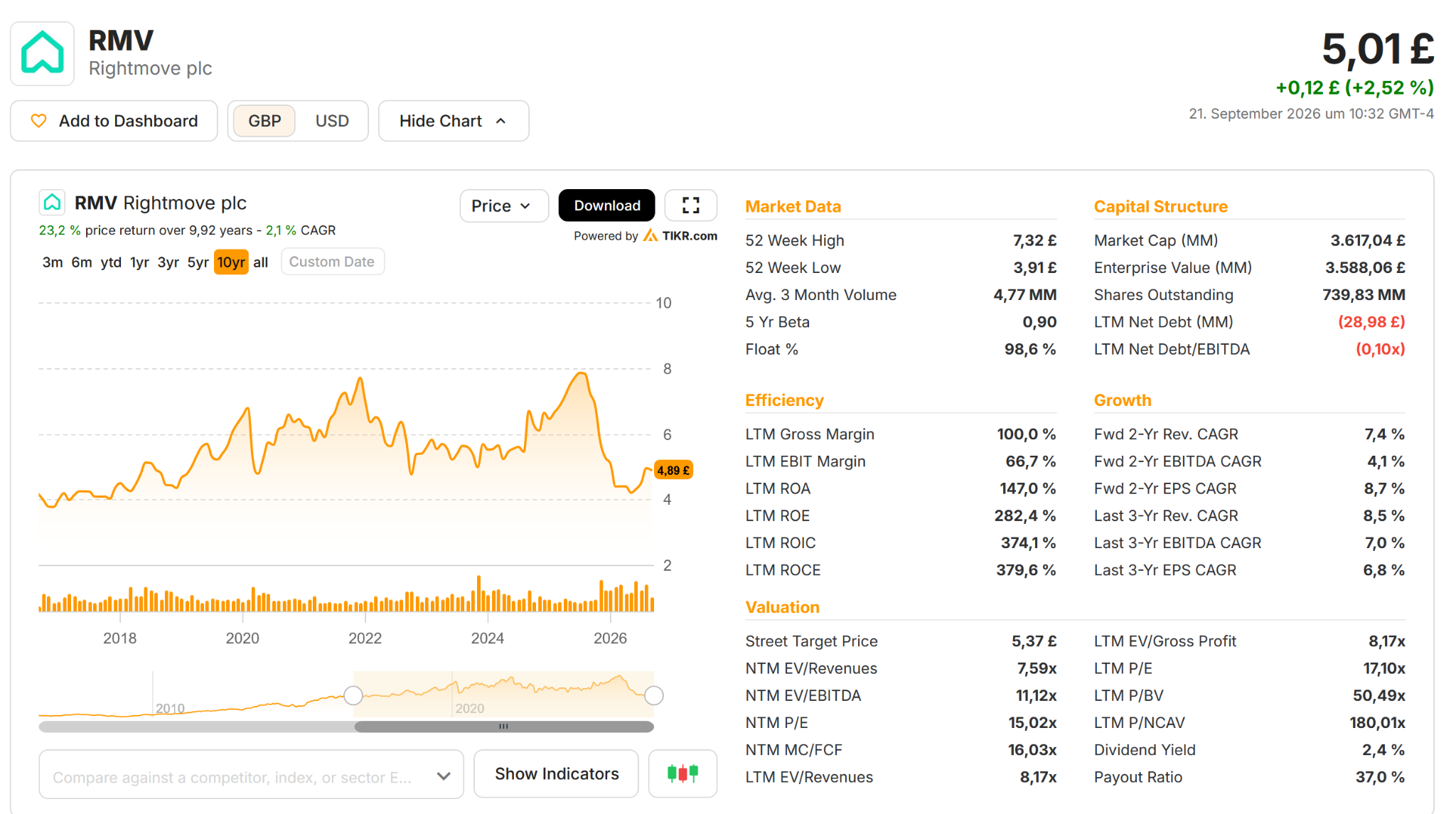
Rightmove is the most profitable of the three and also the most expensive at 15x next year P/E.
In 2024, REA, the “rightmove of Australia” tried to take over Rightmove at a final offer of 7,80 GBP/share but wasn’t successful.
Interestingly, earnings are up between 20-30% depending on which line you look at since then, but the stock is trading at a deep discount to that take-over bid.
The AI Threat:
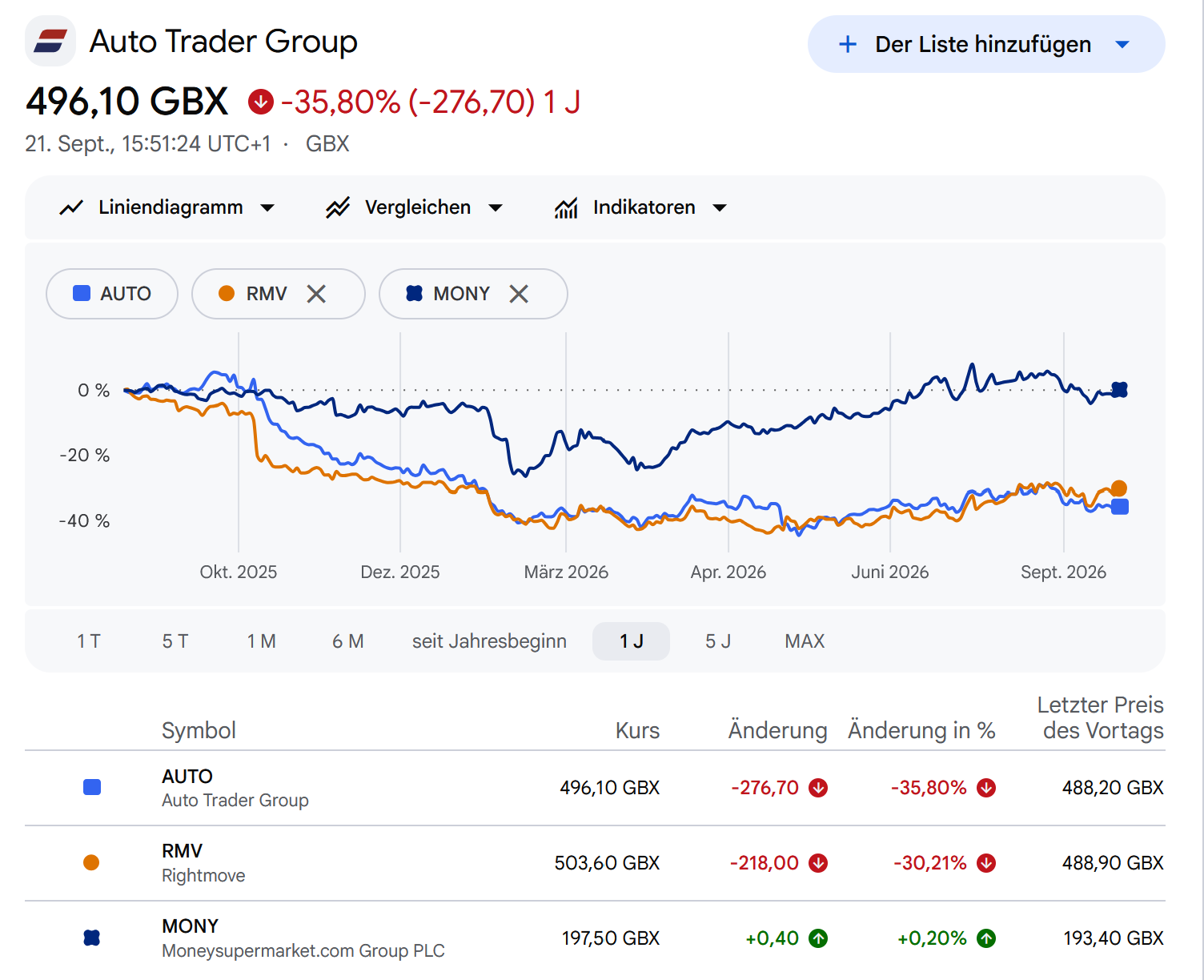
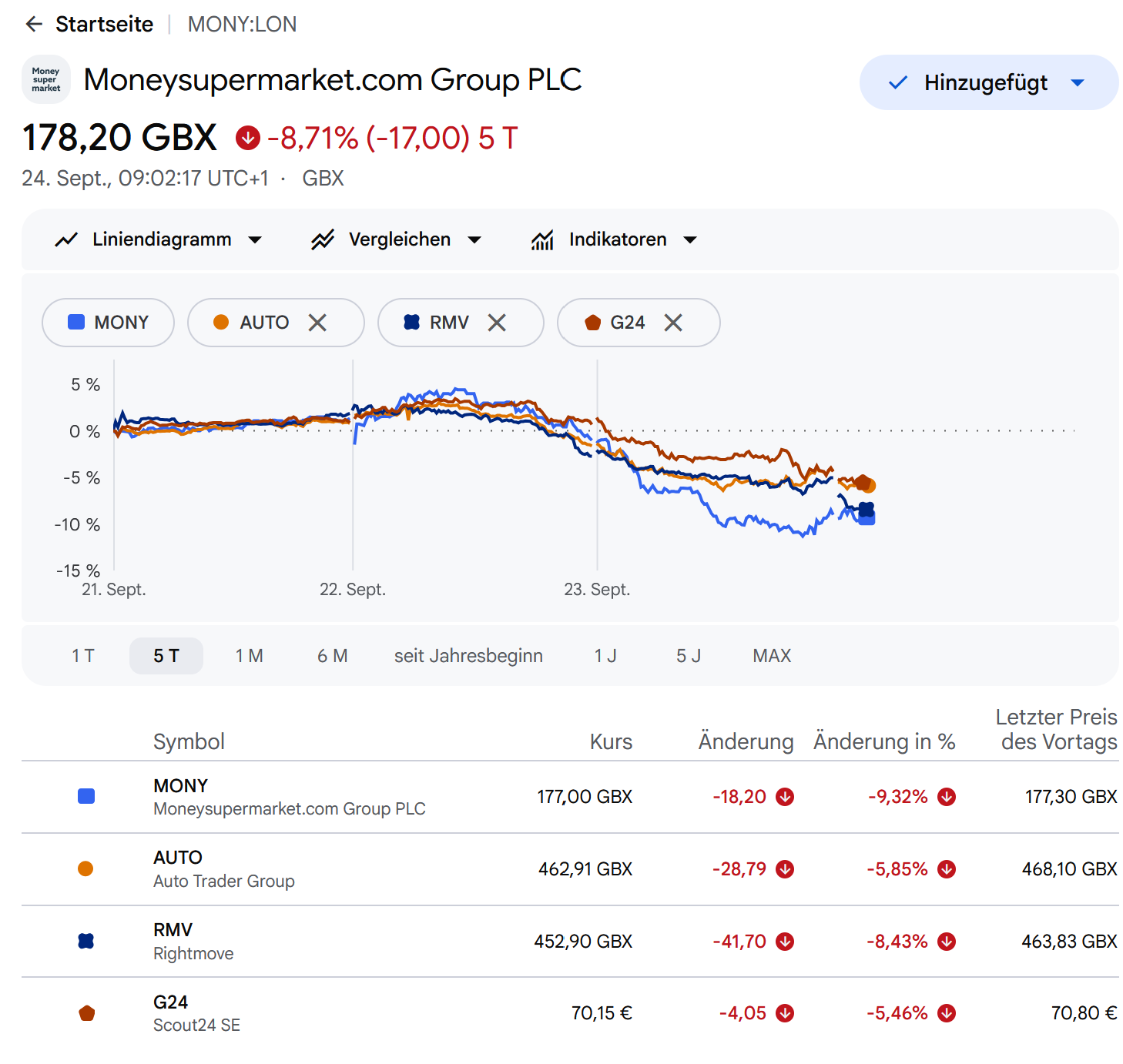
Looking at 1 year charts we can see that especially Autotrader and Rightmove were hit by AI fears, Moneysupermarket a little bit less so:
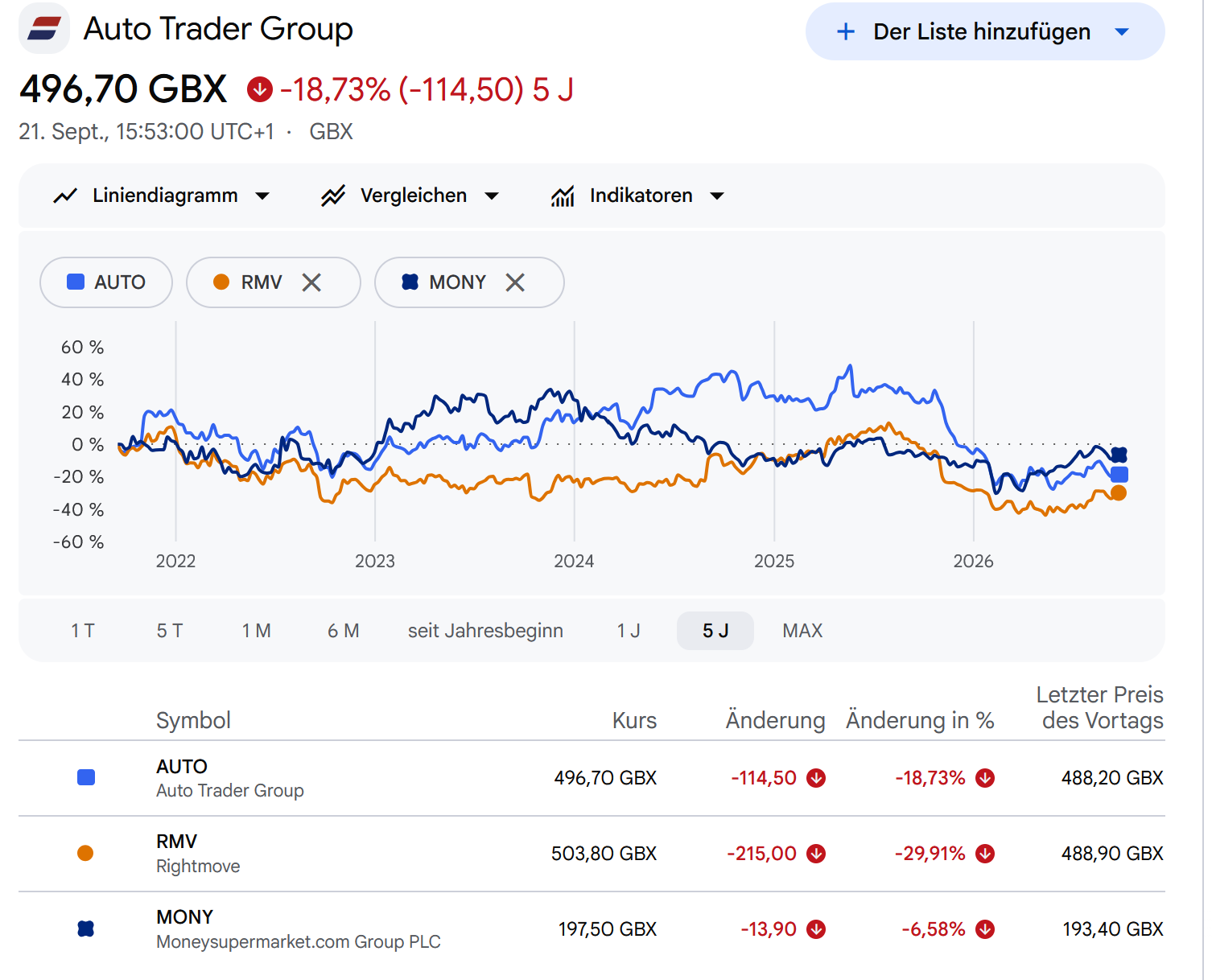
The 5 year chart shows that Moneysupermarket started to struggle earlier, in 2024:
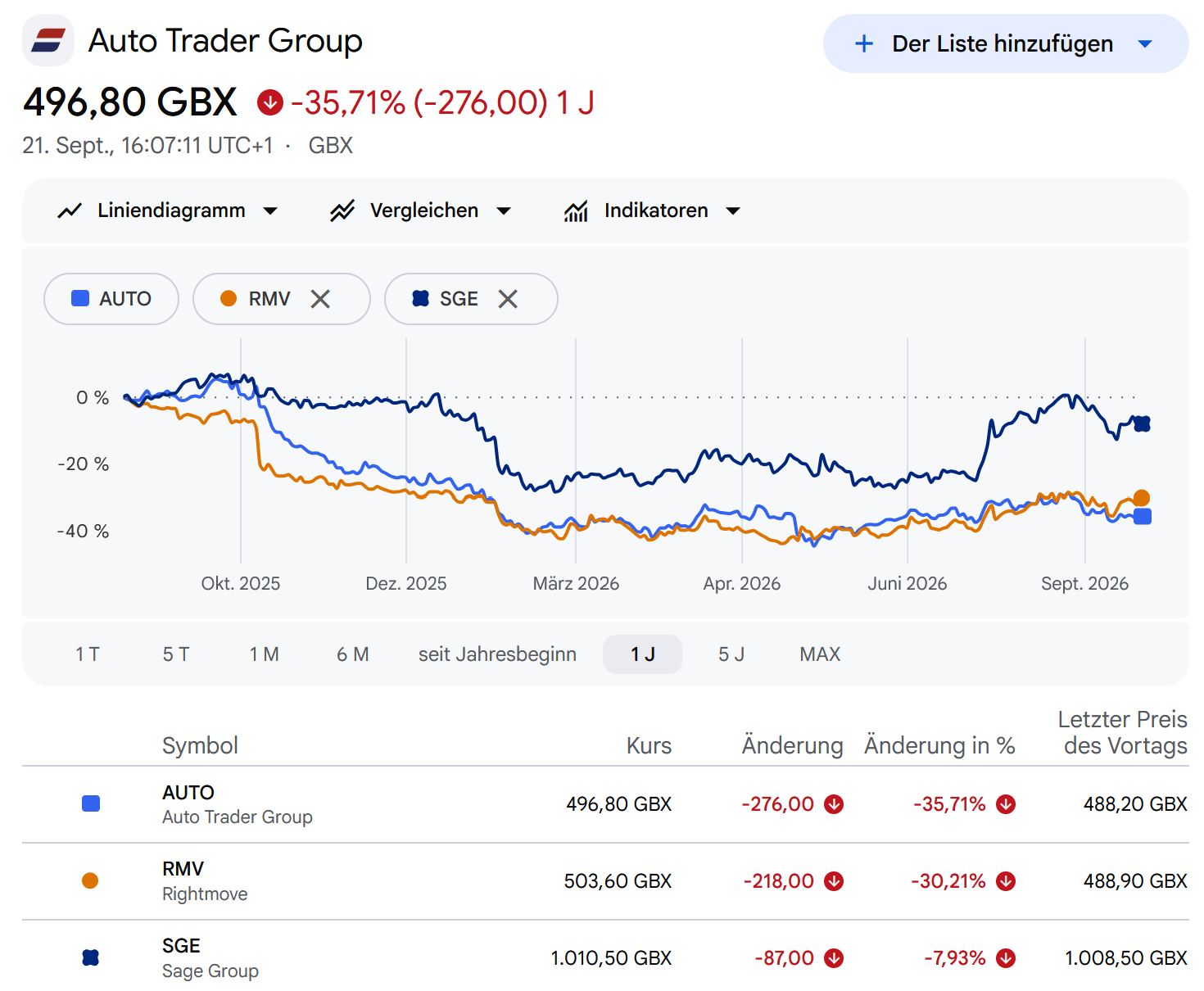
While we are having fun with charts, we can compare Autotrader and Rightmove with Sage, the listed UK Accounting Software company:
Interestingly, Sage has recovered most of its losses in the last 12 months, wile Autotrader and Rightmove so far have not.
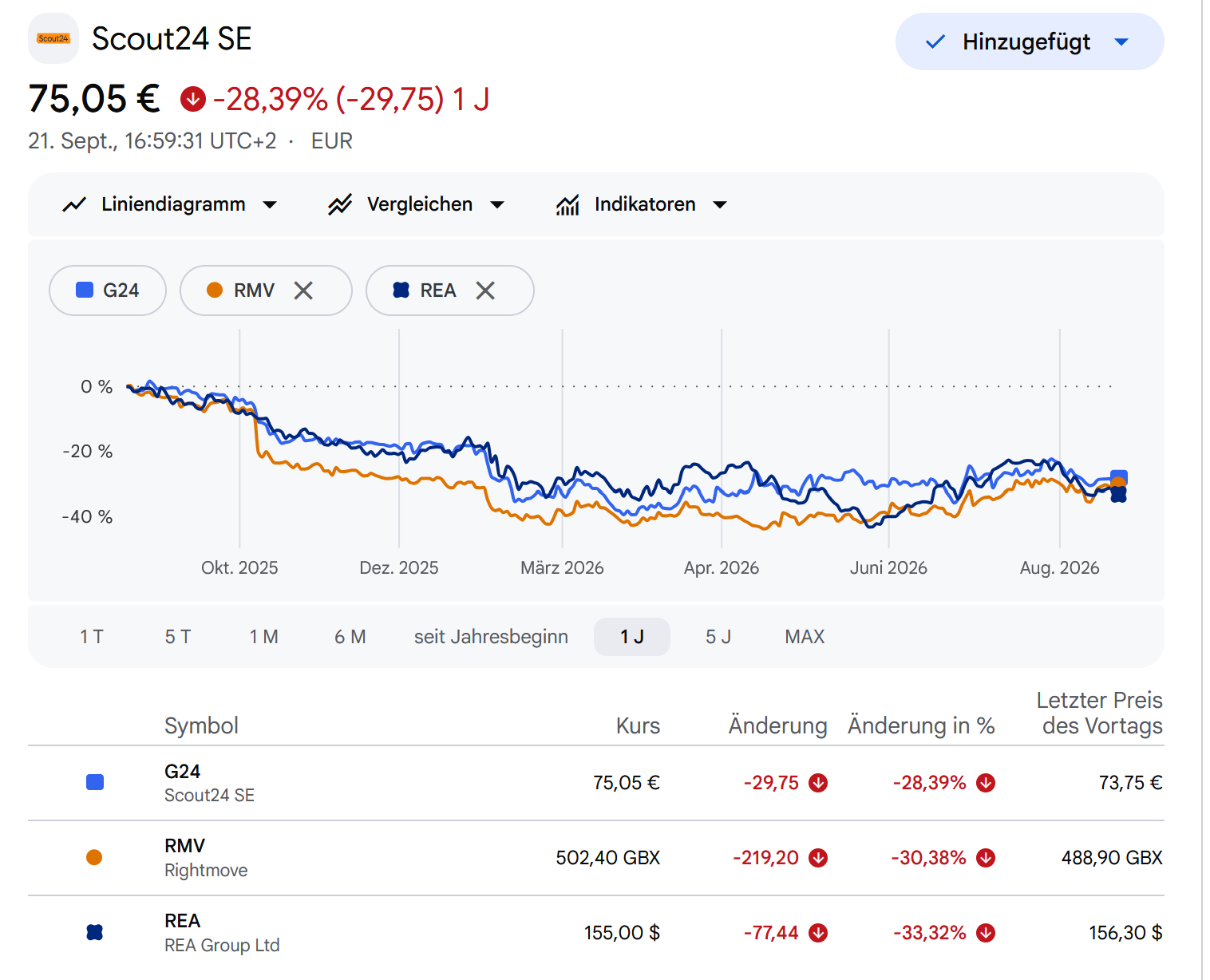
Now to our last Chart comparison. This time Rightmove with Scout24 from Germany and REA from Australia which shows that across geographies, the stock market is really sceptical vs. portals and that this is not only a UK thing:
So the Billion Dollar question here is clearly: Will AI (and especially agents) disrupt the “Two sided marketplace” model and if yes, how fast will this happen ?
Clearly, Vibe coding a new AutoTrader or Rightmove or Moneysupermarket is not so hard. However that leaves you with the main task:
how to you motivate, both, corporate and retail clients to move over to the new “platform” quickly ?
Or, will people just go to their favorite chatbot and type in: Please look for a new house and buy it for me ?
In my opinion, the audience of the current platforms could be quite sticky, especially in the case of Rightmove, which to my understanding is only partially about buying a new house and partially just entertainment.
And yes, there will be people going directly through agents but an agent in order to deliver the same result as a good comparison site/market place would need to have the same infrastructure, i.e. connections to companies in order to get the required updated information and access to actually do the transactions.
Not aMUSEd – the Update
Now while I was writing the above and also starting to build my positions slowly, the share prices of all three stocks (and its peers) started to go down pretty dramatically, as this chart shows:
Muse is currently only available in the US and has shot up to the number 1 downloaded App over there.
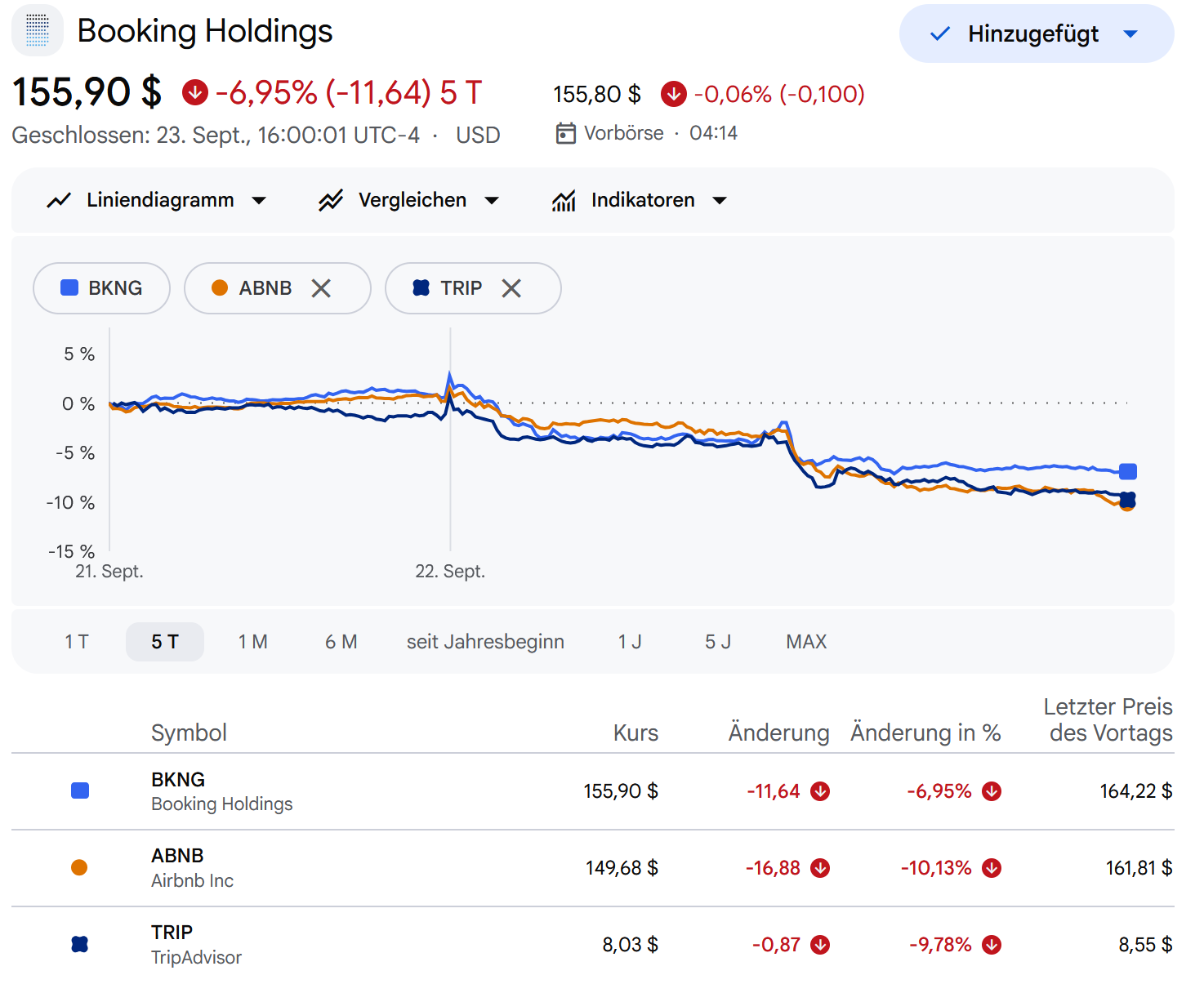
In the past few days, among other stocks, also travel related “aggregator” stocks went down significantly because of this:
The question is clearly: How real is that fear of (short term) disruption ?
I think it makes sense to look at a few “hurdles” for the agentic take-over:
Consumer behaviour US vs. RoW
If we look at Mony Group for instance whose main product is insurance comparison: In the UK, more than 80% of insurance policies are closed/renewed through comparison portals. In the US, this business model is quasi non-existent.
To my understanding, Americans might maybe call one other carrier if they feel that their insurance contract is too expensive, but they would never make the effort to compare their insurance portfolio on a regular basis.
In the UK, this is normal, the same here in Germany. Normally, your favourite portal will know all your relevant details and will actively send you better offers before the old contracts expire. One click and you have cheaper insurance.
So for any active comparison portal user, there is very little to gain by using an AI agent, rather the opposite. And this is before the fact that insurance comparison is a regulated business (as insurance is).
Real time capabilities of LLMs
One thing where at least I struggle a lot with LLMs is to make sure that they really use real time information and not some stale training data. Not sure how they solve it with agents, but I guess that that might still be an issue. Especially if you are looking for a used car or a flat to rent, you need to be really quick for the good deals.
Most portals already offer some kind of “alarm” function for interesting objects. I am not sure if and how AI agents can make sure to have access to the newest offers.
Anti-agent measures
The most interesting aspect in my opinion will be to see if and to what extent the existing owners of “comparison inventory” will allow AI agents onto their platform. Amazon for instance, has already blocked Muse, which is no surprise as Amaon’s Ad model would be jeopardized.
Amazon is also smart enough, not to let Meta access its inventory and also its ship infrastructure.
That’s maybe another point here: At least in the business world, Meta is not your partner of choice. Noone likes them, no one trusts them.
So we could go on and on, but I do not think and especially in “comparison crazy” UK, that AI Agents will be a super fast disruptive force that will make the incubents worthless over night.
But, and this is a big BUT: The stock market could act as this is the case for quite some time.
Whenever the overall AI narrative looks good and AI stocks go up, these stocks, that are perceived as AI losers will go down. No matter if the fundamentals shows something or not.
KPI overview:
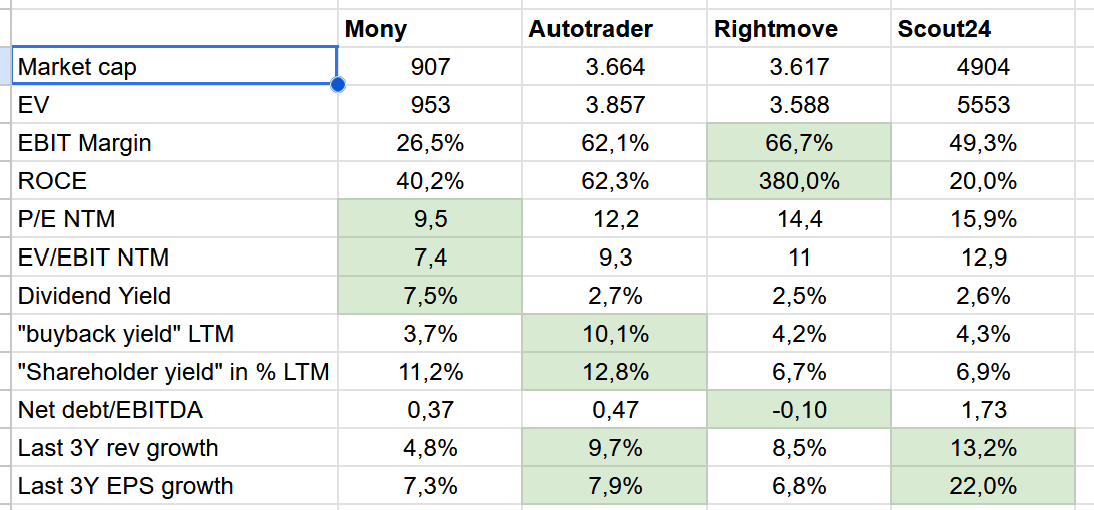
Here is a quick overview of some KPIs that I looked at, including German real estate portal Scout24 which is similar to Rightmove.
We can see that Mony is really cheap, whereas Rightmove is clearly the most profitable. Autotrader is in between with the biggest “buyback yield”.
Scout 24 is clearly more expensive, most likely because growth has been higher than for the UK players, but that is also a risk if AI Agent adoption happens faster than I assume. For this reason and because I wanted UK exposure, I didn’t include them in the basket (yet).
Multiple compression
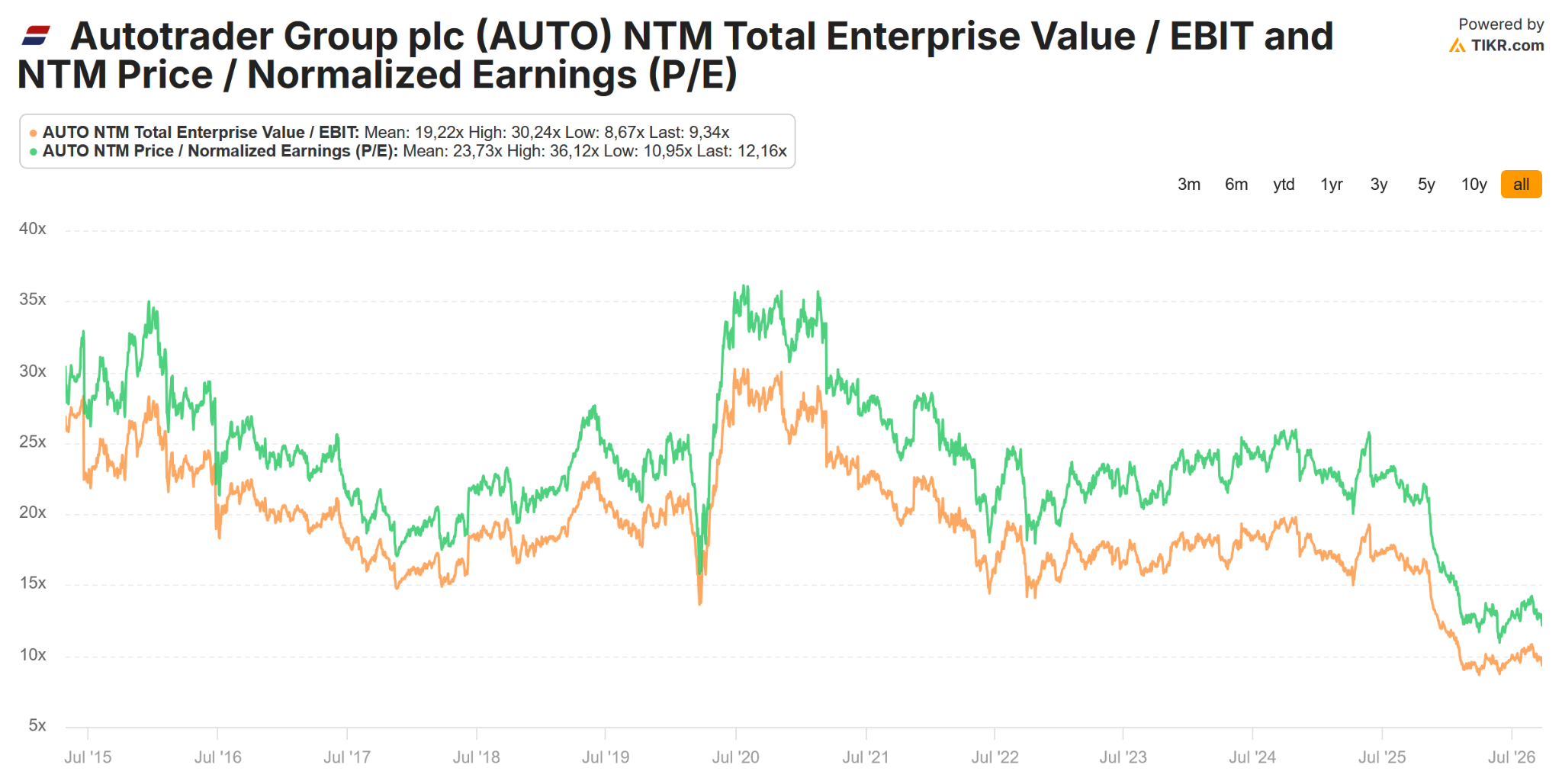
For all 3 stocks, valuation multiples have been compressed significantly. Let’s look at Autotrader first, which was only listed in 2015:
The P/E and EV/EBIT multiples are at absolute lows and at around1/2 of the historical mean.
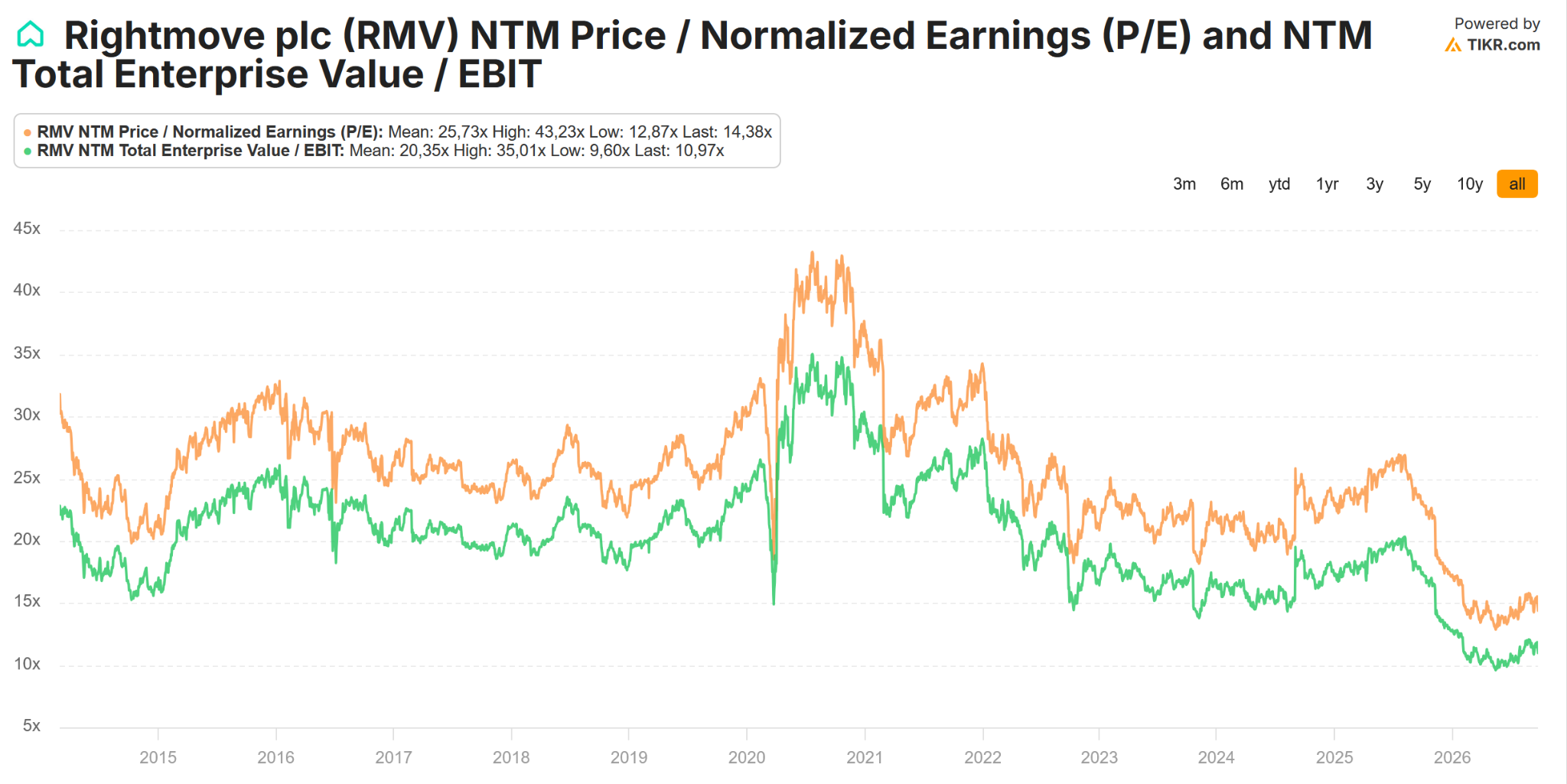
For Rightmove, this looks very similar:
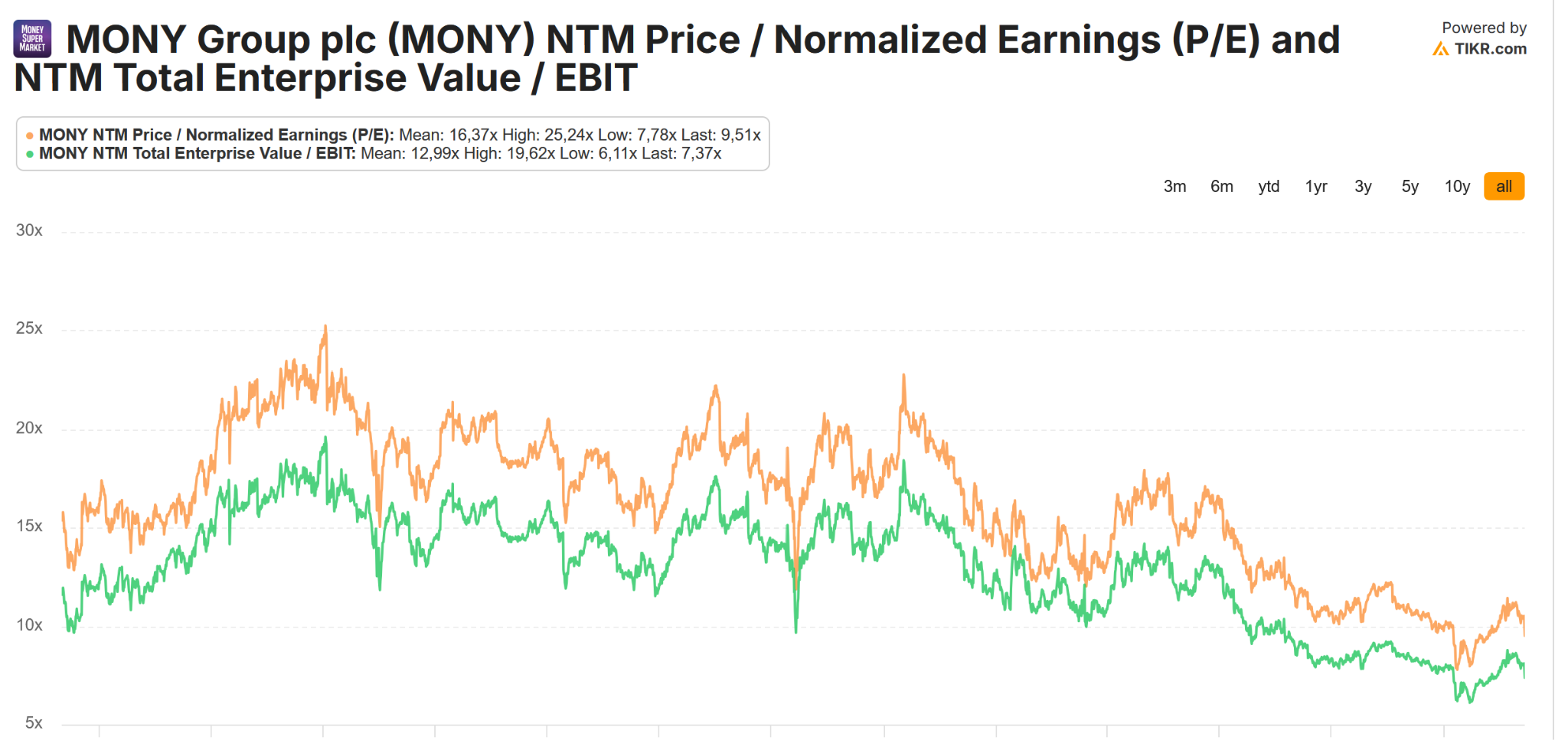
Money was never that expensive but is also now historically cheap:
While “mean reversion” is not a good investment case as such in a disruptive environment, it clearly shows that the stocks are at least cheap compared to historical valuations. Not that long ago, investors thought that a P/E of 30x is fair for Rightmove.
The Basket:
As a start, I allocated to each UK stock (Mony, Autotrader, Rightmove) 1% of the portfolio, making it a 3% position overall. As purchase price I assume an average price at ~5% above today’s closing price each.
I will need to decide going forward if I either increase the size per stock a little or add maybe a few other UK stocks to the basket. We’ll see. At the moment I might go to 1,5% per stock and have overall maybe 5 UK stocks in that basket.
My time horizon for this trade is 15-18 months and I am looking for an upside of 30-50% in total (including dividends) if some normalization kicks in.
As the performance of my “basket trades” so far was rather mixed (Freedom Energy basket was OK, freedom insulation less so), please wish me luck on this one.
Summary:
Investing into comparison portals aka 2 sided market places at the moment is clearly a “pain trade”. The risk of getting punched in the face short term is quite high.
On the other hand, many of these businesses are extremely high quality and as cheap as they have been for the last 10 or 15 years
For the UK players, based on what we have seen in other areas, the probability of M&A action is not zero and I am also convinced that especially for the UK, the fear of a quick take over through AI agents (Muse) is overblown.
The AI hype of the Weekend is a new type of model called “Jev”. It’s not as smart as an LLM, but much cheaper, faster and doesn’t hallucinate (Youtube)
The original write-up is from mid-June and can be found here. Plus a same day update here.
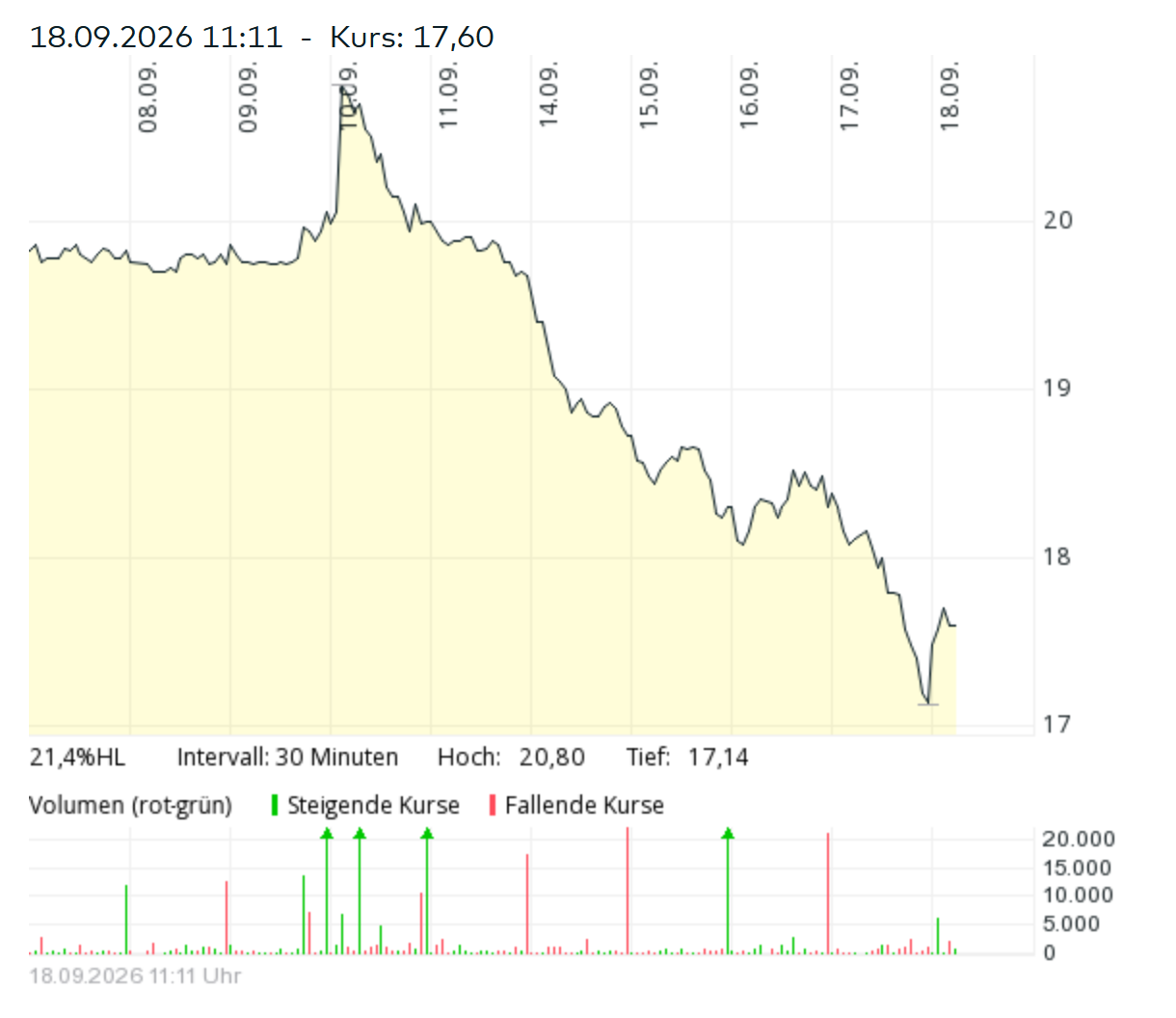
Looking at the share price development, I clearly got out too early from this one at around 18,85 EUR per share plus dividend:
Overall, I was clearly lucky with the timing of the entry. I closed the trade early because first, I could lock in my expected return and secondly, I was a little bit “off grid” and had limited ability to react during the trading period of the tender rights.
The main difference to my initial case was that the tender price had been further increased from 20,87 EUR to 22,35. Interestingly, for the remaining shareholders, this is not really positive as more cash went to selling shareholders.
I had checked a few times during the trading of the tender rights and they were trading relatively close to their intrinsic value.
What I find quite surprising is that at the time of writing, the stock is still trading pretty high above my “undisturbed” value before the announcement. And how long it took to come down from the “inflated” tender price. I have to confess that I don’t fully understand this.
As mentioned in the comments of the original post, I directly sold after this became public as I have no opinion on the longer term development of Paypal. This is what I wrote back then:
However one more thing is important to mention: This is a special situation investment for me. So if for some reason, Stripe & Advent withdraw their bid, I will sell, no matter what. For a “Value investment” I still find Paypal too hard at this stage.
Luckily for me, the stock did not drop down to the “undisturbed” price of ~45 USD. So I could get out with a relatively modest single digit loss in this case.
I have to admit that I was already feeling a little bit insecure after Stripe closed the OpenRouter acquisition for ~7,5 bn USD a few days earlier. Stripe is a great company but they don’t seem have an unlimited budget for M&A as a financial intermediary.
As in all of these cases, there is always the risk that a case doesn’t work out. In my opinion, the most important part here is to stick to the original plan (i.e. sell) and try to find out if I have made any “a priori mistakes”.
In this case, the only mistake was maybe not to reduce the position after the open router acquisition from Stripe.
For the future, any public take-over situations with Stripe need to trade at a wider discount to account for this episode.
Delivery Hero/Uber take over Special Sit
As mentioned in my weekly links post, the UBER/ Delivery Hero take over could be an interesting Merger “Arbitrage” Special Situation.
In a nutshell, Uber owns currently around 25% of DHR outright and has launched a take-over offer in late August at an offer price of 41,5 EUR.
Expected closing of the deal is in the second half of 2027 and the acceptance hurdle for this offer is only 51% which Uber seems to have in the bag already.
The main risk of the transaction is clearly a relatively complicated merger control and approval process in many countries and especially an intermediate step where part of DHER’s business needs to get carved out and sold to a Private Equity shop called SSW Partners.
At the current share price of 36,85 EUR/share, the “spread” to the 41,50 EUR offer is 12,6%.
This needs to compensate for:
a relative long time horizon (long stop November 2027)
a relative high premium to the undisturbed price (+100%)
and the aforementioned deal complexity
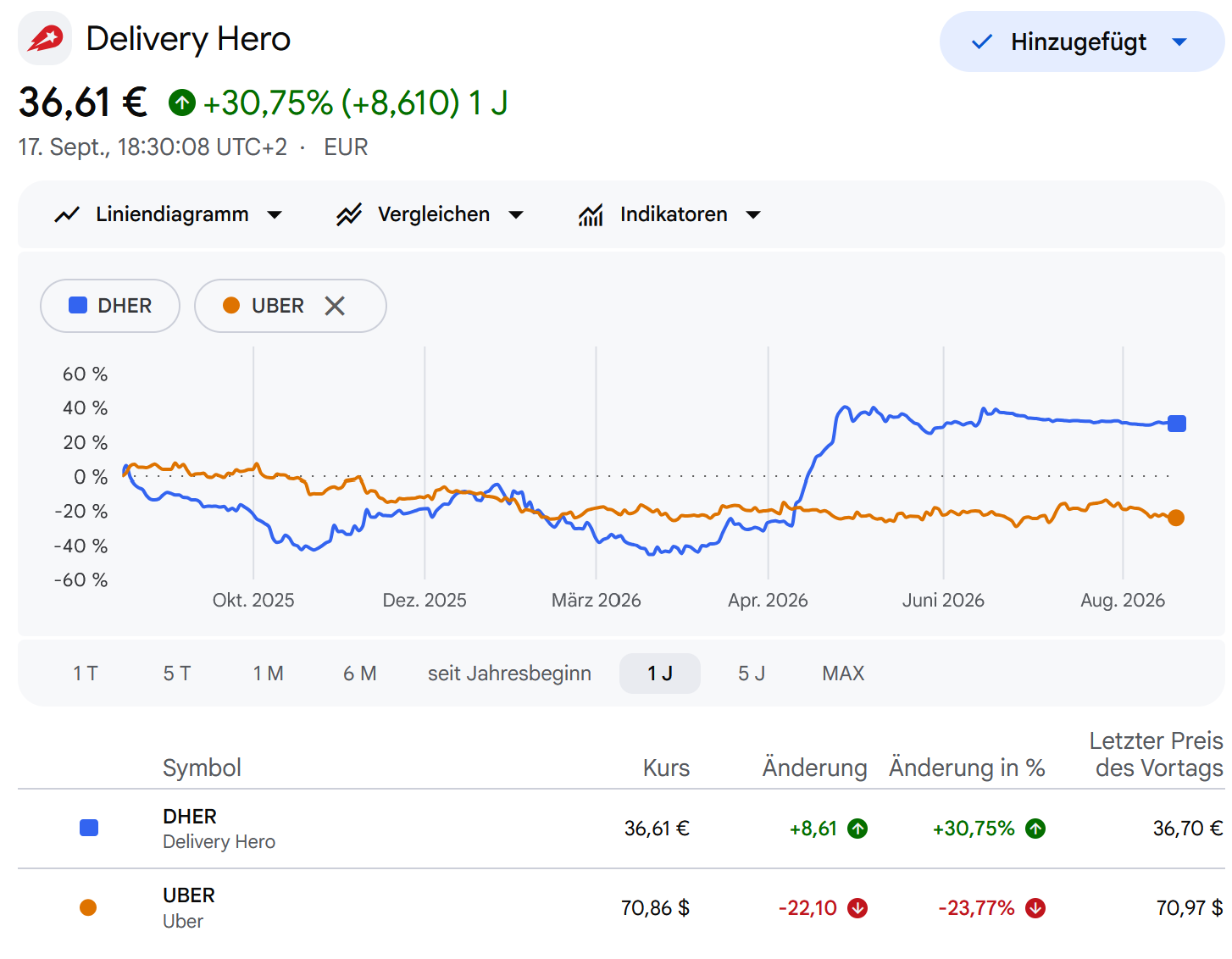
This is the stock chart from Delivery Hero which shows the significant bid premium:
All my 3 AI Tools (Claude, ChatGPT & Gemini) were recommending not to establish a position due the complexity of the deal (carve-out requirement) and the significant downside in a “no deal” scenario if the “cost of capital” is 10 to 15% p.a.
Personally, I think especially countries like UAE or Saudi Arabia could become more risky with regard to merger clearance when the war in Middle East continues to spread.
So in this case I actually follow the advice and sit on my hands. I will revisit this by end of October to see if it has become more attractive, either by a lower price or some fundamental improvements.
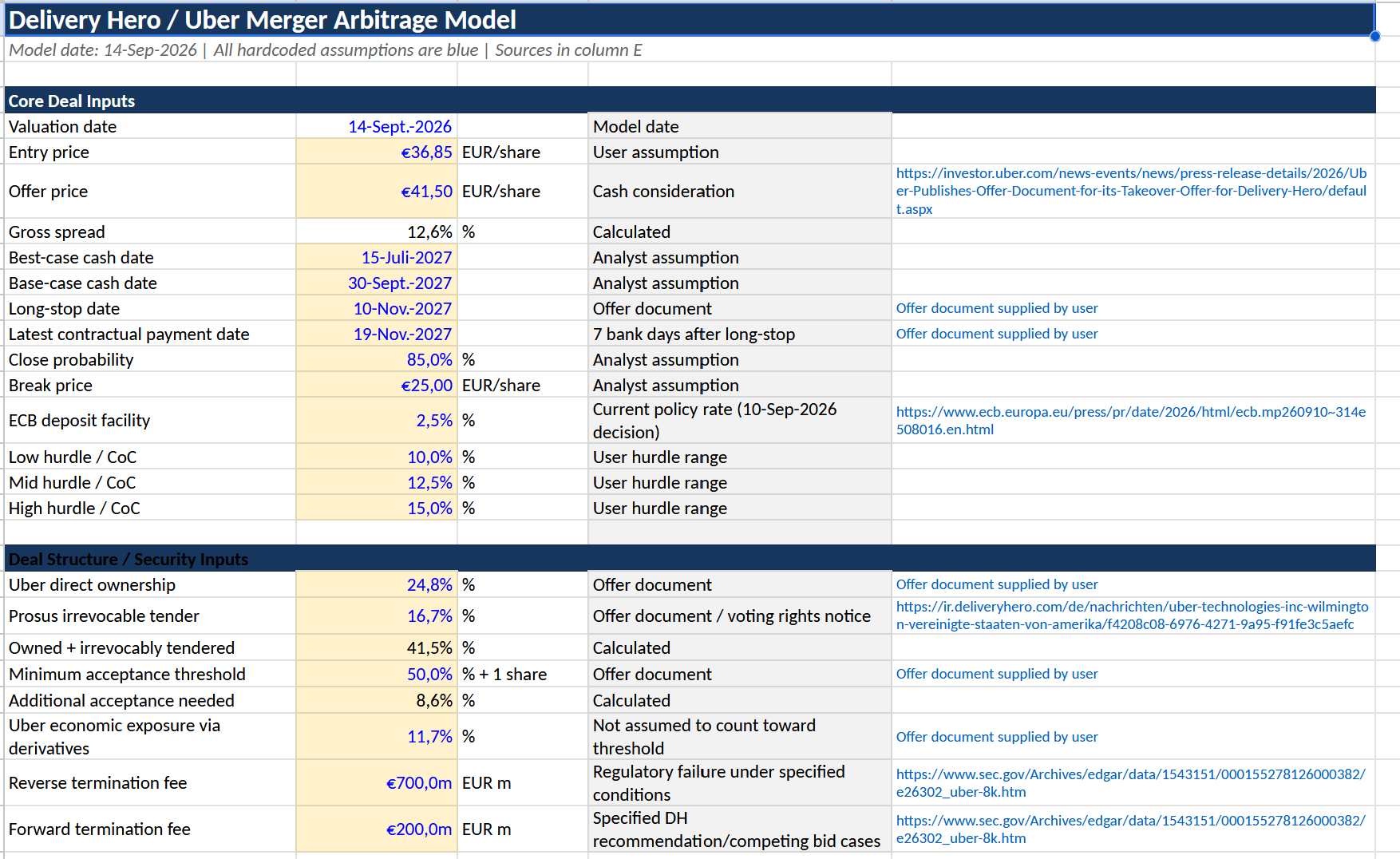
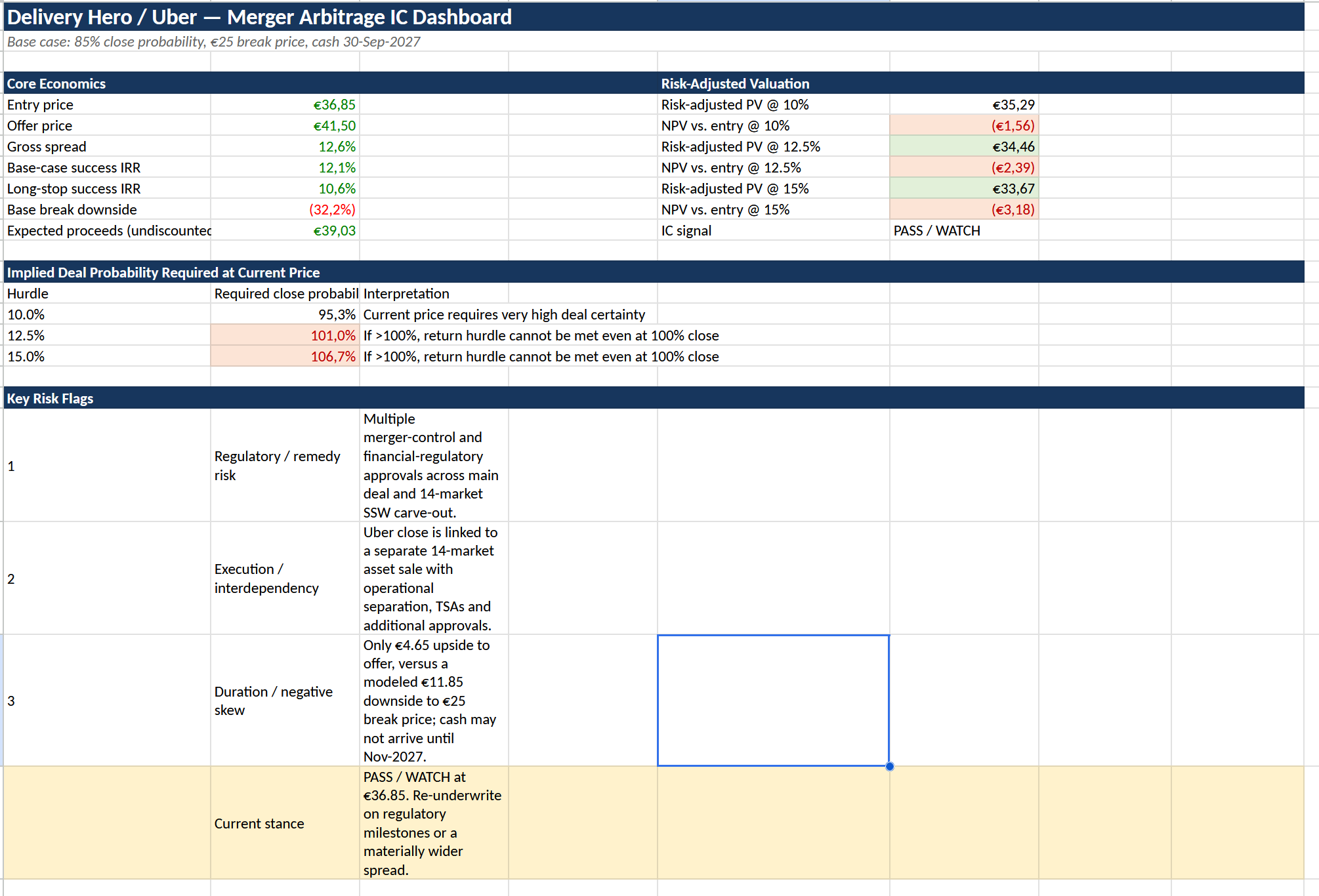
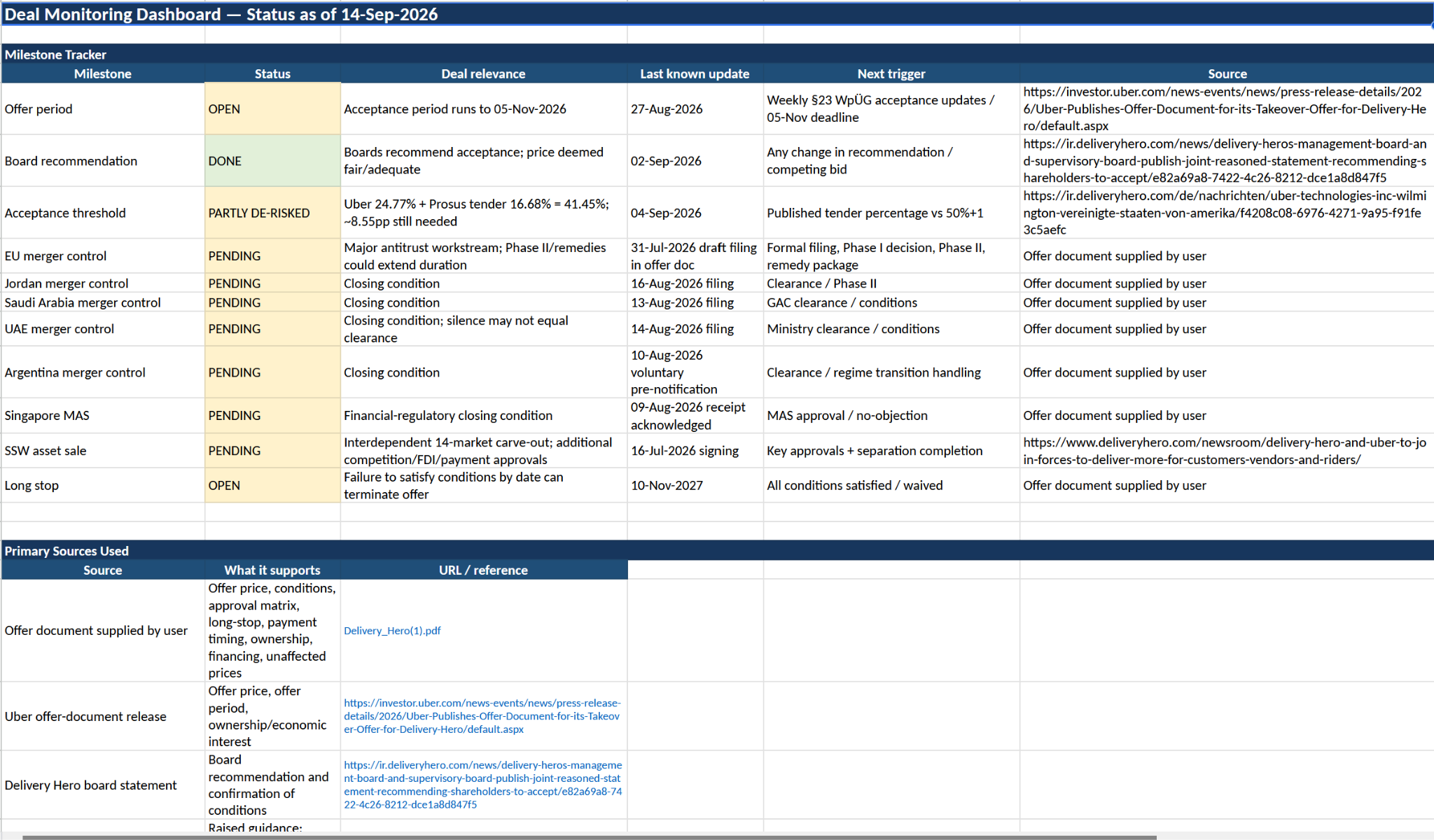
Interestingly, both ChatGPT and Claude offered to build an Excel spreadsheet. Here are some screenshots from ChatGPT which look very professional:
I didn’t check all the formulas, but it seems to be quite good.
In addition, ChatGPT also is checking now 2 times a day for updates.I guess Claude can do the same easily.
Although AI tools don’t change the Special Sit game completely, it clearly makes a more “equal playing field” as it reduces the effort to get into this.
The main risk that I see is that the motivation to actually read relevant documents goes down even more and that it is hard to see if the AI Agent makes mistakes or catches everything.